
Key Tools for Effective Revenue Optimization
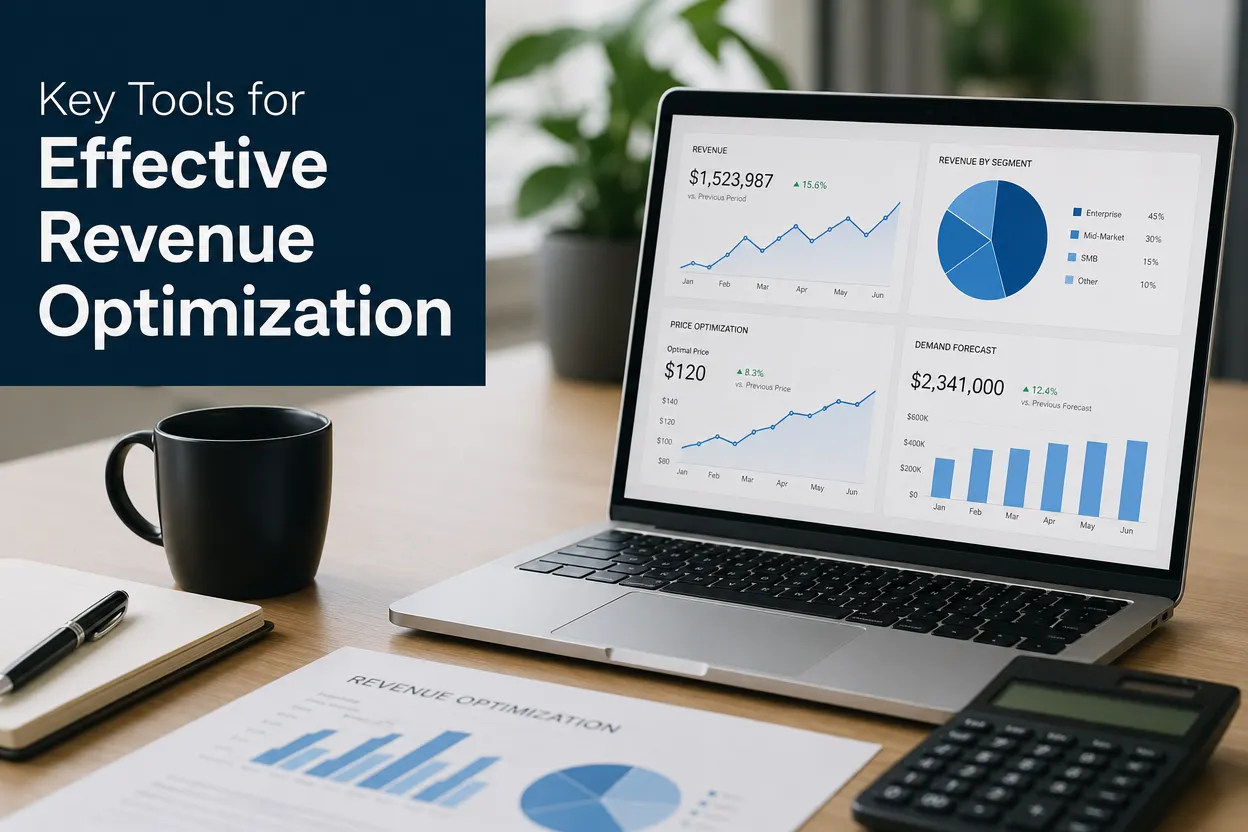
Enhancement of space for expansion is always a priority for businesses to generate more revenue and growth over time. Effective revenue optimization is being smart and making the right decision, for which you surely need some accurate tools and data to facilitate that. The appropriate channels enable organizations to maximize their potential and optimize the bottom line. In this guide, we will look into the practical tools that aid in effective revenue optimization.
Analytics and Reporting Platforms
Revenue growth builds itself on accurate data. E-commerce analytics platforms offer a comprehensive overview of sales trends, customer behavior, and industry trends. Such systems aggregate data from various sources, presenting a single view of the performance of the business. Because of this, strategists can instantly pinpoint their strengths and weaknesses and make quick strategic pivots. By reviewing revenue optimization solutions, companies discover practical insights into leveraging analytics, automation, and customer intelligence for sustainable performance.
Dynamic Pricing Engines
Dynamic pricing for demand, seasonality, or competitor activity can provide better returns. Recommendation of the best price selling rates through an algorithm, a dynamic pricing engine. They take into account market trends, the types of customers, and the inventory. These engines automatically adjust your prices in real time, helping you to stay competitive and increase your margins.
Customer Relationship Management Systems
One of the proven advantages of organizing things and the behaviors into proper and particular order is that it helps strengthen the relationships with the clients. Customer relationship management systems remind us to do our customer work, storing and organizing all interactions with clients in one place. They ensure that every client receives a personalized experience based on sales history.
Revenue Management Software
Dedicated revenue management systems are designed to help generate the most income possible from income-generating resources or other revenue generators. They also predict the demand, suggest inventory distribution, and determine pricing policies based on the data they gather. They frequently rely on actual data and predictive analytics to back up decisions.
Business Intelligence Solutions
Strategy planning context is very important. Business intelligence tools collect and analyze data from various sources within the organization. Dashboards are visual representations of information and make it easy to identify trends and outliers. Insights like these help decision-makers plan their campaigns, budget, and set realistic targets.
Channel Management Solutions
For companies that sell through multiple sales platforms, maintaining consistency across channels is a high-level challenge. Inventory, pricing, and promotions are automatically synchronized through channel management tools. By coordinating this information, it prevents overbooking, reduces double-selling risks, and ensures that customers receive the right information. This ultimately results in improved customer satisfaction and sales.
Forecasting and Budgeting Tools
Anticipating what might happen next allows organizations to seize opportunities and mitigate risks. Forecasting tools determine the potential turnover and customer demand by analyzing historical performance and market data. These forecasts form the basis for budgeting systems that allocate resources in an efficient manner based on future flexibility.
Automation Solutions
Numerous business tasks, from data entry to invoice creation and processing, take up valuable time—tasks that Zintego helps simplify and automate. Automation tools manage repetitive tasks so staff can concentrate on more value-added work. These tools enhance both accuracy & consistency, which means mistakes happen less often. Greater efficiency and smoother operations lead to better financial outcomes.
Data Security and Compliance Tools
For every transaction, trust is a necessity. Data security solutions protect sensitive consumer and company information by preventing its leaks or other misuse. Compliance tools ensure processes comply with laws and industry requirements. Greater credibility in the eyes of its employees and customers, and a low risk of incurring significant penalties due to compromised data integrity.
Performance Tracking Applications
It is the monitoring of progress toward targets that lays the foundation for continuous improvement. Performance tracking apps track important metrics like sales growth, conversion rates, and customer retention. Dashboards that are simple and easy to decipher pull up areas that show you are excelling and those that are performing below par and require focus.
Conclusion
Optimizing your revenue is a combination of planning and resources. Strong financial health is established through data-driven decisions, automation, and proactive management. With the right resources integrated, organizations set themselves up to achieve growth in a sustainable manner over the long term. The right tools and their strategic implementation enable businesses to adapt with confidence while capitalizing on their revenues.