
How Physical Spaces Shape Customer Engagement
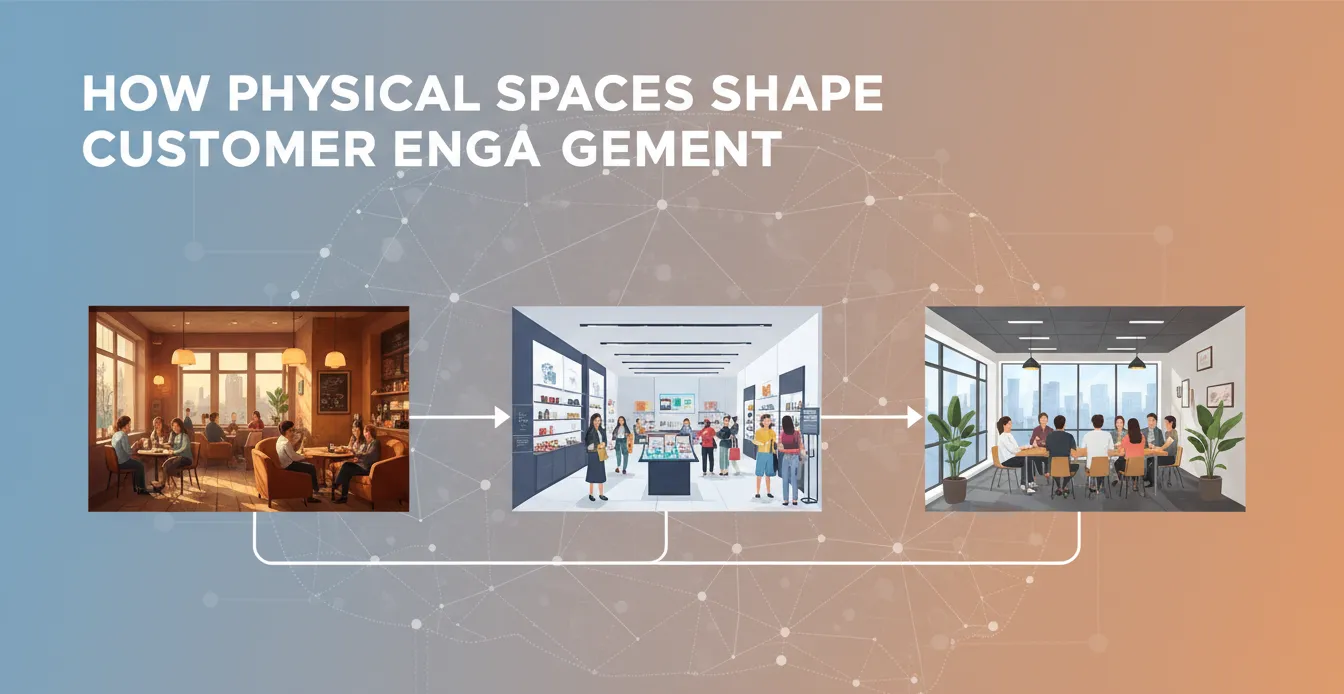
Are you aware of how much psychology and design go into customer engagement?
You should be. Behaviour-driven design and environmental psychology are powerful concepts when organizations use them strategically to deliver environments that wow customers as they penetrate their minds and offer experiences that make them want to return time and time again.
We see this in sensory cues that engage many senses, layout strategies that lay out an environment in a stimulating way, and subtle environmental triggers that engage customers in ways that delight and surprise, using unconventional techniques. If you’re wondering how these techniques look in practice, visit in person or search Google images for Gloria Jean’s cafe.
Read this article if you want to know how to engage customers through intentional physical design choices.
Why Behaviour-Driven Design Matters Today
Behaviour-driven design may sound like an outlandish or unnecessary concept. But let’s be real: customers in every sector have extremely high expectations, and they get higher with every new service or technology. It’s essential to meet these expectations in every environment if you want to grow and succeed in business.
Radical Shift
There has been a shift over the past decade: We have moved away from accidental ambience that may or may not please customers and keep them loyal, to scientifically-informed environmental elements that designers know will wow customers without fail, no matter who they are or what their expectations are.
Learning how to provide engaging environments begins with acknowledging this shift.
Sensory Cues
If you want to appeal to customers, start with their senses. We all have five senses, but most organizations don’t bother appealing to most of them: It’s usually sight and sound. But what about touch, smell, and taste?
This gap leaves untapped opportunities that make it easy to engage customers by offering them experiences and presenting your products to them in memorable ways they have never experienced before. Doing so will change dwell time, order size, and emotional response.
Business Case For Behaviour-Driven Design
All these attempts to provide new and exciting experiences can seem lofty and expensive. More like art than science. Luck rather than predictable profits. So where’s the business case for behaviour-driven design?
If you successfully implement these design principles, you may invest more, but you will enjoy higher engagement, smoother flow, and better consistency across different locations such as shops, restaurants, and showrooms. And with higher ROI comes healthier revenue and profits.
The Core Principles of Environmental Psychology
Now you understand why you need to design behaviour-driven environments, let’s look at how, beginning with environmental psychology.
Colour as a Behavioural Trigger
Let’s begin with one of the most fundamental parts of our deepest survival instincts: Colour.
Consider the way colours can impact customers in the following ways:
- Temperature: How warm vs cool colours influence mood and speed of movement.
- Palette: Choosing palettes that match brand personality and desired behaviours.
- Tones: Subtle tonal changes can create measurable engagement differences.
Space, Layout, and Customer Flow
Don’t get spaced out when considering how to use space, layout, and the way customers flow around your environment.
Consider these aspects of space, layout, and customer flow to get the best results:
- Space: Design aisle width, seating arrangement, and queue design to guide movement.
- Flow: Use strategic signage, clear visual communication, and interactive digital solutions for flow.
- Tactical examples: Entrance placement, product positioning, open vs compressed zones.
Sensory Cues That Drive Emotional Response
Think about the way you can use a dazzling variety of sensory cues to drive emotional response. The more appealing and pleasantly surprising these cues are, the more customers will want to return.
- Senses: Sound, smell, temperature, and lighting affect customer behaviour.
- Branding: Use consistent sensory branding to reinforce recognition and loyalty.
- Sensory signatures: Starbucks coffee shop deliberately engages customers' senses of smell, sight, and sound.
Consider all of these principles of environmental psychology to influence and please customers, and encourage them to return.
Integrating Behaviour-Driven Design with Enterprise AI Strategies
Enterprise AI tools may not be the first technology that comes to mind when you are planning how to integrate behaviour-driven design into your retail or hospitality environment, but they have a lot to offer.
Enterprise AI tools can offer insights as they analyse how customer movement patterns change with different configurations and engagement data that can save millions by experimenting with design choices in a virtual environment to see what will work in reality. These tools use heatmaps, footfall analytics, and predictive modelling to refine spatial design.
These strengths of this technology show the huge role LLMs in retail can play in interpreting qualitative customer feedback and uncovering behavioural insights that drive successful, engaging designs.
Conclusion
Acknowledge it or not, environmental psychology is becoming an essential part of modern engagement.
Design decisions must reflect how people behave in real spaces to ensure they feel comfortable and engaged. This approach will encourage them to come back to patronise these spaces again and again.
The most impactful, modern way to use technology in your behavioural-design process is to use enterprise AI tools to collect and interpret data to allow you to create more adaptive, responsive environments for changing customer needs that will hit ROI and see revenue soar.