Digital Nomad Essentials: How to Stay Reachable Anywhere in the World
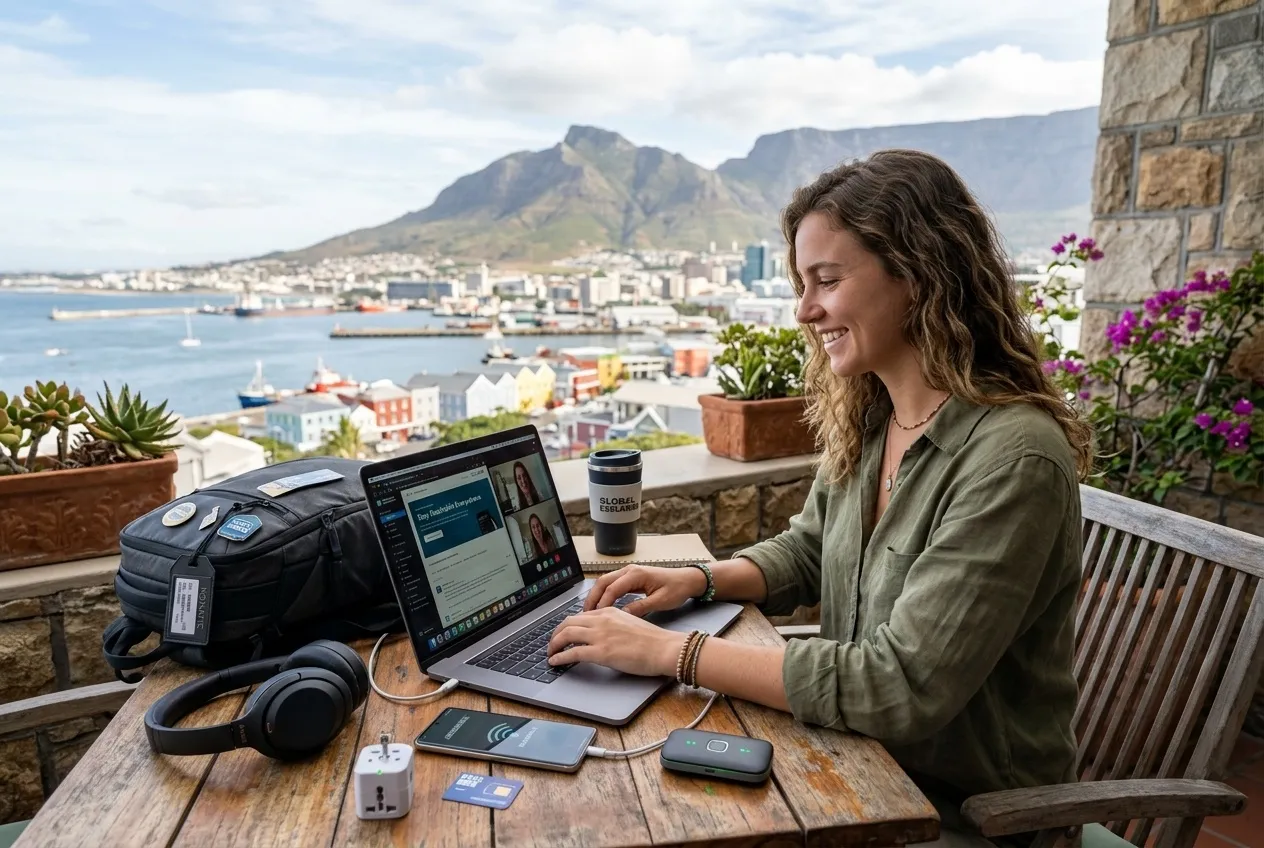
If you’re granted the freedom to work anywhere in the world, it’s natural to want to explore it as you balance your job or business.
And while the act of travelling can certainly bring its fair share of thrills and adventures, it’s important to recognise the importance of balancing your work life to ensure that your clients and customers are happy continuing this professional partnership.
One key component to delivering quality work is staying reachable to your clientele. Wherever you are presently located, you must be reachable to your primary customer and client base to ensure that you can continue communicating with them.
There are several ways to maintain a professional and communicative front while living a digital nomad lifestyle. This article will highlight the importance of staying reachable, as well as list some ways you can achieve a high level of communication standards as you travel and work around the world.
Let’s get started.
Why Staying Reachable is Essential for Digital Nomads
Living as a digital nomad offers a great degree of freedom, but it also comes with a level of responsibility that cannot be overlooked.
No matter your location, it’s crucial to have the means to communicate with your clients, partners, and colleagues so your operations run smoothly.
These stakeholders entrust you with responsibilities that you need to uphold, and the different locations you find yourself in should not be a barrier for you to achieve what’s expected of you.
Here are three reasons why it’s critical to remain reachable to your clients:
1. Makes Clients Confident in You
Being a prompt communicator shows your clients that you’re a dependable and committed person. This is a good thing, as this would mean continued patronage and a professional and friendly collaboration.
If you don’t meet their expectations, then this could cause a strain in your professional relationship. They may choose to continue their business with someone else instead of you, or they may push projects to you that you’re not fully capable of delivering because of your own unexpressed time constraints.
In any case, it’s important to set your expectations fairly for both you and them. This way, there won’t be any problems or misunderstandings as you tackle tasks and projects together, maximising both of your overall productivity.
2. Ensures Smooth Workflow and Collaboration
A digital nomad setup often means working across different time zones and schedules. Your destination’s standard working hours may be your collaborator’s sleeping hours, and vice versa.
As this is the case, it’s essential to create a workflow that works best for you and your clientele. For starters, you should strive to be available at least for a couple of hours during your client’s working hours to maintain alignment.
You should also ensure that your clients are in the loop regarding your available working hours. This helps them schedule activities like meetings when both of you are online. It’ll also help make each conversation point clear and succinct despite the asynchronous nature of the collaboration.
They will also assign you tasks within your capacity, contributing to a more fruitful work-life balance fit for your lifestyle. When you can create a system wherein you juggle multiple clients and maintain a moderate workload effectively, you can make the most of your digital nomad lifestyle during your off-hours, giving you the best of both worlds in your career and life.
3. Maintains Your Professional Reputation
Many people wrongly associate digital nomadism with a full-time traveller with work on the side.
This can seem like a red flag to many employers and clients, and if you somehow fit the bill when employers ask for a reference’s insight, then these potential employers could easily scrap you and find someone else who appears more professional and serious about their role.
As this is the case, it’s crucial to maintain a positive reputation when working as a digital nomad. This can be demonstrated in various ways, such as by staying consistently reachable, meeting deadlines, and presenting yourself professionally across all platforms.
By showing a professional front, your employers will be eager to continue collaborating with you. They may even recommend your services to other potential clients, granting you a reliable stream of income as you live a digital nomad lifestyle.
3 Ways to Stay Reachable Anywhere in the World
Staying reachable as a digital nomad can be done through various means. While working in places with spotty internet may present some challenges, there are ways you can solve this issue and make it easy for you to stay connected no matter where you are.
Here are three ways you can remain accessible to your clients and colleagues while across the globe:
1. Get an eSim
One of the easiest ways to stay connected while living a nomadic life is by using an eSIM. An eSIM allows you to activate mobile data plans digitally from any country, making it a convenient connectivity solution when you’re on the go. If you’re within an area with widespread data coverage, like a city, then you’re almost guaranteed to have eSIM connectivity within reach.
Besides that, an eSIM card can also be set up outside the country where you plan to activate it. This means that you can get instant connectivity as soon as the plane or ferry touches down at your destination. This is unlike traditional SIM cards, as installing them requires you to open your smartphone device using a pin.
If you own a new-generation phone, then you can access eSIM technology to give you virtually unlimited internet access. But if you have more humble needs, you don’t have to go all out with your purchase either. eSIM cards tend to come in multiple pricing plans, tiers, and data allowances, so it’s important to shop around and pick the one that best fits your budget and data needs.
Some also offer unlimited data plans, so feel free to choose those to fuel your need for work connectivity. You may also be eligible for some discounts and promos if you’re a new user of a particular eSIM provider, so be sure to vet choices to see if you can get a valid eSIM coupon to save a little bit more cash on a quality and reliable eSIM card.
2. Pocket WiFi Devices
Another way you can maintain an internet connection is by getting a pocket WiFi device.
This portable device grants you and other users the chance to connect multiple devices simultaneously using one source. This makes it ideal for digital nomads with families or those with multiple gadgets.
What makes pocket WiFi preferable is its ability to keep users connected without having to fumble through the system settings of their list of gadgets. An eSIM card is great in enabling worldwide connectivity, but it still takes a while to install, top up, and enable it in one’s settings.
On the contrary, with a pocket WiFi device, all that needs to be done is to connect to the private network (and type in the password) through WiFi settings. If the device is topped up with ample data allowance, then you’re free to access the internet reliably wherever you go, even as you hop from country to country.
3. Physical SIM Cards
Lastly, you could also get a physical SIM card to stay connected to the Internet through your smartphone device.
SIM cards are a viable alternative to eSIMs because all sorts of phones can run on them. Just like eSIMs, SIM cards also come in different pricing tiers—so you’re bound to find one that best suits your needs fairly easily.
One functional perk that physical SIM cards have over eSIMs, however, is their ability to hold their own personal phone number.
When it comes to signing up for local apps or making reservations, many of them ask for personal phone numbers as a contact point and ID verification. This cannot be given if you stick with the two previously mentioned connectivity devices.
This also extends to phone number connectivity for clients and customers who may prefer contacting you through a phone call. A physical SIM card is the most accessible and straightforward way of having a touchpoint from your base that your partners can contact via call or text.
We hope that we’ve helped you understand the importance of internet connectivity and what you can do as a digital nomad to stay within reach. All the best in balancing remote work alongside your travels!