
How Tron Wallets Support Fast and Low-Cost Digital Payments
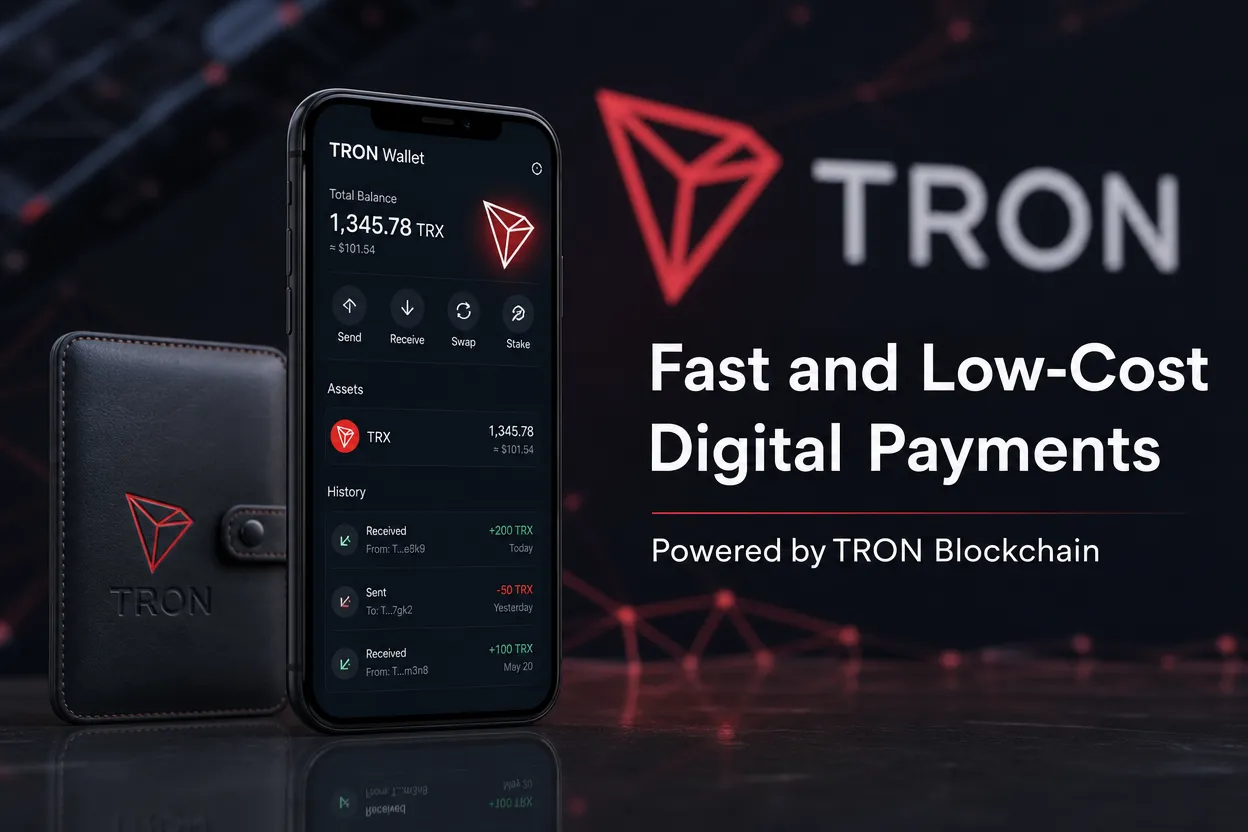
How Tron Wallets Support Fast and Low-Cost Digital Payments
Digital payments are now a routine part of both personal and business activity. Whether transferring funds between platforms, paying for services, or handling cross-border transactions, users expect systems that are fast, affordable, and reliable. As the number of digital transactions continues to grow, these expectations are shaping which tools and networks are used in practice.
Not all payment infrastructures are equally efficient. Some networks can become costly or slow under heavy use, making them less suitable for frequent transfers. This has led users to look for alternatives that can handle everyday transactions without adding unnecessary friction. In this context, networks designed for speed and low cost have gained attention, especially when paired with tools that make them easy to use.
Why Speed and Cost Matter in Digital Payments
Speed and cost are no longer secondary considerations in digital payments – they are core requirements. As users send funds more often and in smaller amounts, even minor delays or fees can have a noticeable impact on usability.
For businesses, this is especially important in operational workflows. Delays in transfers can slow down processes, while high transaction costs can reduce efficiency when handling repeated payments. For individual users, the same factors affect how convenient it is to move funds between apps, wallets, and platforms.
The Problem with High Transaction Fees
Some digital payment systems become more expensive as network activity increases. Higher fees may be manageable for occasional large transactions, but they quickly become a limitation when users need to send funds regularly.
This creates a gap between what is technically possible and what is practically usable. If the cost of sending funds becomes too high, users are more likely to seek alternatives that better fit everyday financial activity.
Why Faster Transfers Improve Workflows
Faster transactions improve both user experience and operational efficiency. When transfers are processed quickly, users can move funds between platforms without waiting, and businesses can complete financial actions without unnecessary delays.
In environments where timing matters such as payments, settlements, or service-based transactions speed directly affects how smoothly workflows operate. Systems that reduce waiting time help create a more predictable and reliable payment experience.
How the Tron Network Supports Efficient Transfers
The Tron network is designed to handle a high volume of transactions with relatively low fees and fast processing times. For users, this means that transfers can often be completed quickly without the cost increasing significantly during periods of higher activity.
This efficiency makes Tron suitable for scenarios where transactions are frequent or time-sensitive. Instead of treating each transfer as a costly operation, users can move funds more freely, which is particularly important in environments where payments are part of ongoing workflows.
By reducing both cost and delay, the network helps remove common barriers associated with digital payments. This allows users and businesses to treat transfers as routine actions rather than occasional events that require extra consideration.
What a Tron Wallet Does in Practice
A Tron wallet provides the interface that allows users to interact with the Tron network. It gives access to balances, enables transactions, and allows users to manage their digital assets without needing to understand the underlying infrastructure.
To send and receive funds efficiently, users rely on a tron wallet that connects them directly to the network. Through this interface, they can initiate transfers, confirm transactions, and track activity in a structured and accessible way.
Sending and Receiving TRX and Tokens
Sending funds involves entering a recipient’s address, specifying the amount, and confirming the transaction. Once approved, the transfer is processed by the network and recorded accordingly.
Receiving funds works in the opposite direction. Users share their wallet address, and incoming transactions are reflected in their balance after processing. These actions form the basic functionality that makes digital payments possible.
Managing Transactions Across Apps
Many users interact with multiple platforms, including exchanges, payment services, and digital applications. A Tron wallet acts as a consistent access point across these environments, allowing users to move funds between services without relying on separate systems for each platform.
This flexibility supports smoother workflows, especially when funds need to be transferred regularly between different tools or applications.
How Tron Wallets Fit Into Business and User Workflows
In practical terms, Tron wallets are often used as part of broader digital workflows rather than as standalone tools. Users may rely on them to move funds between exchanges, manage balances across multiple platforms, or handle payments within online services. Because the process is relatively fast and low-cost, these actions can be performed more frequently without disrupting normal operations.
For businesses, this can simplify certain financial processes. Payments can be processed more quickly, and the cost of repeated transactions is reduced. This is especially relevant in environments where transfers are part of daily operations rather than occasional events.
Common Use Cases for Tron-Based Payments
Tron-based payments are typically used in scenarios where efficiency matters more than complexity. A few common examples include:
- transferring funds between platforms or accounts
- making smaller or frequent payments
- handling cross-border transactions where traditional methods may be slower or more expensive
These use cases reflect a shift toward more flexible digital payment systems, where speed and cost determine how easily money can move between users and services.
What Users Should Consider Before Using Tron Wallets
While Tron wallets are designed for efficiency, users still need to follow basic precautions when handling digital payments. One of the most important factors is accuracy. Transactions on blockchain networks cannot be reversed, so entering the correct recipient address is essential before confirming any transfer.
Users should also be aware of security practices. Access to a wallet is tied to credentials, and maintaining control over that access is critical for protecting funds. Using trusted applications and keeping backup information secure helps reduce the risk of unauthorized access.
In addition, it is important to understand how different tokens and networks operate. Although the wallet simplifies interaction, users should still confirm that they are sending the correct asset to a compatible address to avoid errors.
Why Tron Wallets Are Becoming More Relevant in Digital Payments
The growing use of Tron wallets reflects a broader shift toward more efficient digital payment systems. As users look for faster and more affordable ways to move funds, networks that support high-speed, low-cost transactions become more attractive.
This relevance is not driven by novelty, but by practicality. When a payment method consistently reduces friction whether in cost, time, or complexity it becomes more widely adopted. Tron wallets support this by making it easier to interact with a network designed for efficient transfers.
As digital payments continue to expand, tools that combine accessibility with performance are likely to play a larger role in how users and businesses manage financial activity online.
A Practical Tool for Modern Digital Transactions
Tron wallets have become a practical component of modern digital payment systems because they connect users directly to a network optimized for speed and cost efficiency. Instead of acting as isolated tools, they function as part of a broader ecosystem where funds can move quickly between platforms, services, and users.
Their role is defined by usability. By simplifying how transactions are initiated, confirmed, and tracked, Tron wallets make it easier to integrate digital payments into everyday workflows. This is particularly valuable in environments where frequent transfers are required and delays or high fees would otherwise create friction.
As digital finance continues to evolve, tools that reduce complexity while maintaining performance will remain important. Tron wallets reflect this direction by offering a straightforward way to interact with a network designed for practical, high-frequency transactions.