
Boosting Retail Sales With An AI Fashion Model Generator In Remote Demonstrations
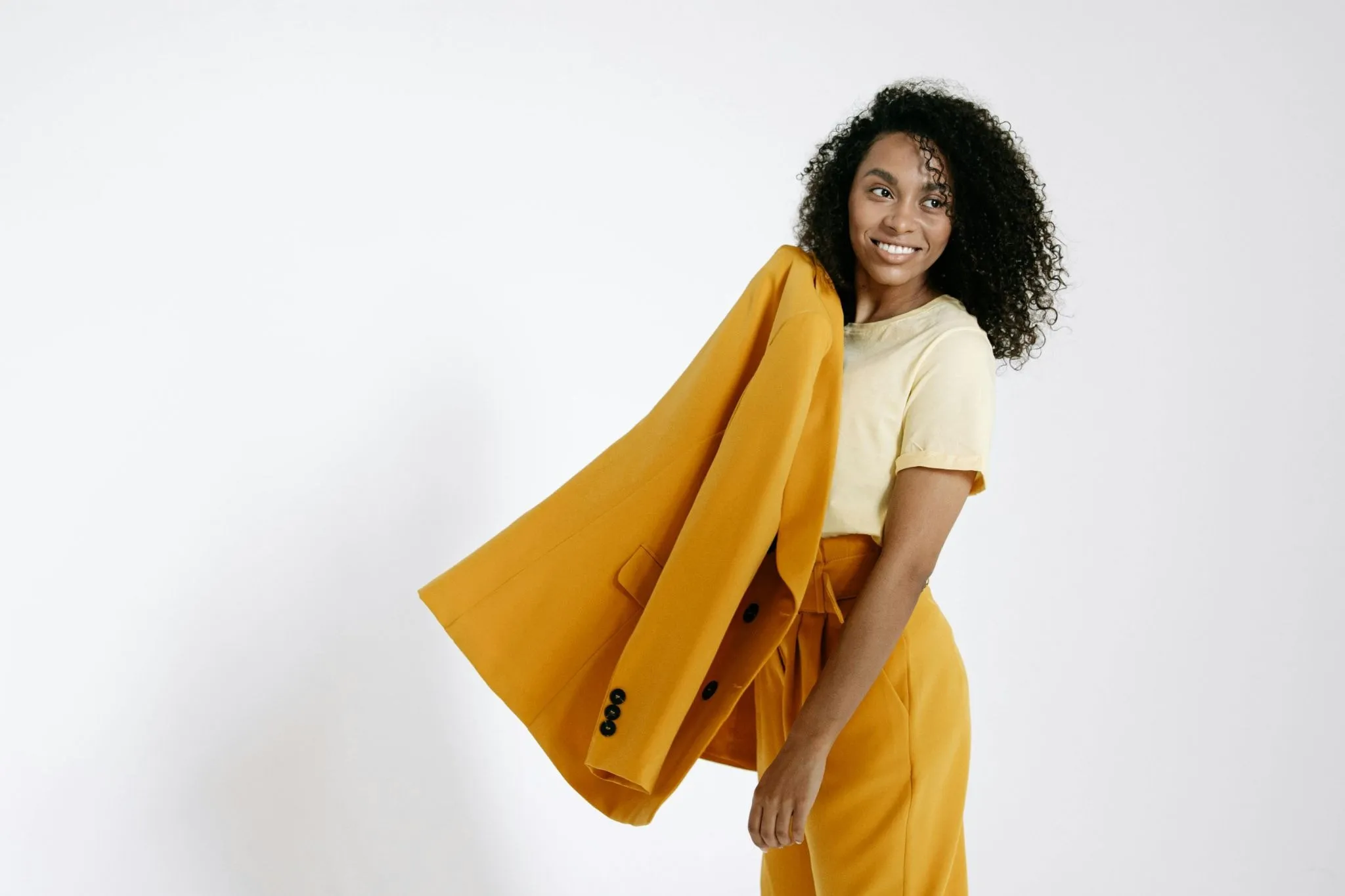
Fashion wholesale has changed, and not in a gentle way. Buyers are no longer hopping on planes for every preview, while brands are under pressure to cut sample waste, move faster, and still present collections with conviction. In that gap, ai fashion photos can help, but they rarely answer the buyer’s hardest questions about drape, movement, and retail fit on their own. That is why an ai fashion model generator matters in the first place: it turns a remote call from a flat review into something closer to a real selling moment. Instead of shipping trunks, waiting on customs, and hoping samples arrive intact, sales teams can show silhouettes, texture cues, and styling direction in a digital format that feels far more complete. For buyers managing tight calendars and cautious budgets, that kind of clarity is no longer a nice extra. It is part of the deal.
The Evolution Of B2B Fashion Sales
For years, wholesale selling depended on physical samples, line sheets, and showroom appointments that swallowed time and money. One production delay or one damaged shipment could throw off an entire buying window. And flat product photography, while useful, often strips clothing down to shape and color, leaving out swing, weight, and how fabric settles on the body. That is a real problem when a buyer is deciding quantities months before the season lands. The digital shift is no longer a theory. McKinsey’s State of Fashion 2026 notes that more than 35 percent of executives already report using generative AI in functions such as image creation and product discovery. At the same time, retail teams work across markets and screens, with compressed decision cycles. The old model still exists, but it no longer works well as the only model. Fashion sales now need speed, accuracy, and visual proof in the same meeting.
Leveraging An AI Fashion Model Generator For Remote Demos
A strong remote presentation needs more than polished stills. It needs motion cues, visual flexibility, and enough realism to keep a buyer focused on the product instead of the medium. That is where AI fashion models become useful as a sales tool rather than a novelty. A rep can present one look on several body profiles, adjust the background to match a retailer’s brand world, and show how styling changes affect the perceived customer. McKinsey has estimated that generative AI could add between $150 billion and $275 billion to apparel, fashion, and luxury operating profits over the next few years, and part of that value comes from faster content creation. Well-built AI-generated fashion models also make live demos more responsive. A buyer asks how the blazer reads in a cleaner, urban setting or on a different age profile, and the sales team can answer visually rather than verbally, circling back to the point.
Strategies For Effective Virtual Presentations
Remote selling works best when the visuals are prepared before the meeting, not improvised in panic while the buyer waits. Sales teams do not need a long internal lecture on how to create ai fashion models. They need a clean process that turns digital assets into a confident narrative. The presentation should move like a showroom appointment, with a beginning, a rhythm, and a reason for each visual change. Shopify’s recent guidance on product pages still makes a useful point here: video and motion help answer hesitation faster than static content because they show context, not just appearance. In practice, a remote demo becomes more persuasive when the team handles it with the same discipline they would bring to an in-person line review.
1. Create a prepared asset library that covers hero looks, alternate styling, close texture views, and category variations so the meeting never stalls on missing visuals.
2. Build those assets into one smooth presentation flow, whether that is a deck, a live shared canvas, or a lightweight video sequence, so navigation feels deliberate rather than chaotic.
3. Use buyer feedback in real time. If a retailer wants a stronger commercial read, adjust pose, layering, or background on the spot instead of promising to “send something later.”
4. Pair every visual with short technical notes on fabric composition, weight, finish, and care so the presentation feels grounded in product reality, not digital theater.
Managing Buyer Expectations And Building Trust
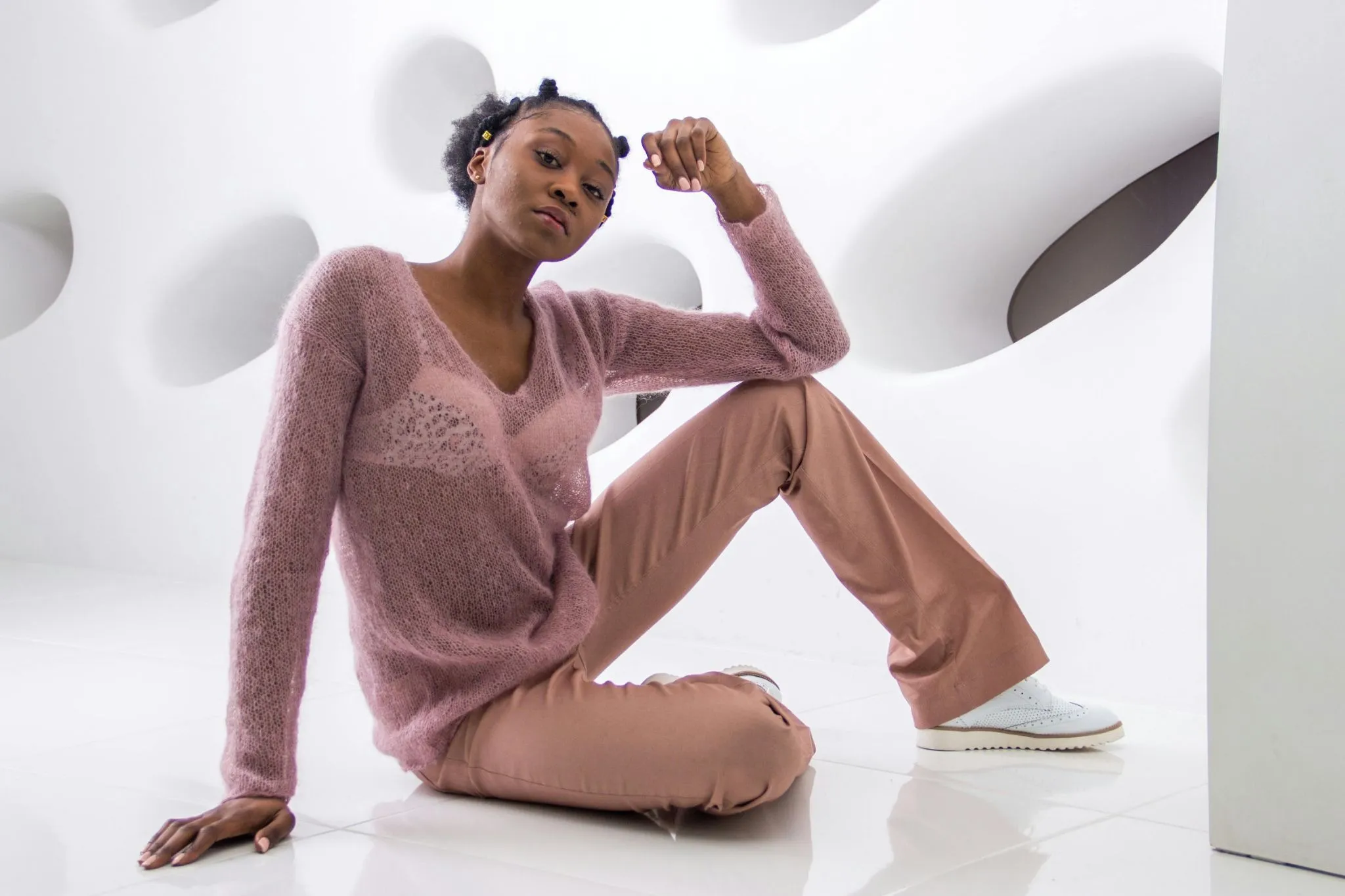
Trust is the hinge point in any digital-first sales process. Buyers who are used to touching fabric may appreciate the speed of remote demos yet still doubt what they see. The answer is not to hide the technology. It explains what is fixed, what is simulated, and what has been matched to production references. If a knit has a dry hand feel or a satin finish, say so clearly. If the rendering shows approximate shine rather than final mill behavior, say that too. The right AI fashion models generator should support accuracy, not fantasy. This is where realism in folds, light falloff, and garment proportion matters. Wistia’s 2025 video data shows that videos under one minute average about 52 percent engagement, which means the first visual impression has to build credibility quickly. Clean honesty does more for trust than flashy effects ever will.
Reducing Operational Friction In The Sales Cycle
The operational benefit is simple: fewer bottlenecks between first interest and final order. Traditional wholesale calendars often leave teams waiting on sample sewing, courier timelines, customs clearance, reshoots, and internal approvals before a buyer can even properly see a collection. With a digital workflow, much of that lag disappears. Sales teams can review a line earlier, refine the story faster, and meet buyers before a physical sample set is complete. That speed matters because interest has a shelf life. If a trend window is short, a brand that can visualize quickly has a real advantage over one still chasing parcels. There is also a cost angle. Fewer rushed shipments, fewer damaged prototypes, and fewer duplicate samples reduce waste. The result is not just a shorter process. It is a calmer one, and calmer sales cycles usually close better.
Personalization And Real-Time Customization
Personalization changes the tone of a meeting. Instead of showing one standard deck to every account, the rep can tailor the visual story to the buyer in front of them. A premium department store may need more restrained styling, while a trend-led boutique may respond better to sharper contrast and riskier pairings. Deloitte’s 2026 retail outlook says 67 percent of retail executives expect AI-driven personalization capabilities within the next year, which tells you where the market is heading. A flexible AI model's fashion workflow fits that direction well. If a buyer asks how a coat reads on a taller frame, with softer lighting, or in a resort setting rather than a city backdrop, the rep can adapt without breaking the flow of the conversation. That makes the presentation feel bespoke, and bespoke presentations are usually easier to buy into.
Preparing For The Future Of Digital Showrooms
Digital showrooms are not a temporary patch for disrupted travel calendars. They are becoming part of the core infrastructure of fashion wholesale. That shift will only deepen as brands connect AI image generation with 3D assets, AR previews, and more immersive retail planning tools. What matters now is building the habit of selling visually across distance. Teams that learn this early will be better prepared when buyers expect deeper interaction, not just better files. That is also why the creative quality of the current workflow matters. A rough asset may work in testing, but a polished ai photoshoot fashion setup can start to function like a real commercial sales environment. It gives brands a bridge between today’s remote demos and tomorrow’s richer showroom systems. The companies treating digital presentation as an operating skill, rather than a side experiment, are likely to be the ones that scale it well.
Conclusion
Remote wholesale is no less human than showroom selling. It just asks for a different kind of proof. Buyers still want confidence, clarity, and a sense that the brand understands how the product will live in their store. A good digital presentation supports that. It does not replace judgment or relationship-building; it strengthens both by giving the conversation sharper evidence. Wistia’s 2025 data on engagement, McKinsey’s estimates on AI value in fashion, and Deloitte’s outlook on personalization all point in the same direction: visual selling is becoming faster, more tailored, and more digital. Brands that adapt early will reduce friction without lowering standards. And the teams that learn to use an ai fashion model generator with discipline will be in a stronger position to win orders when the meeting happens through a screen instead of across a sample rack.