Cloud-Based Property Management: Why Landlords Are Moving Away from Spreadsheets
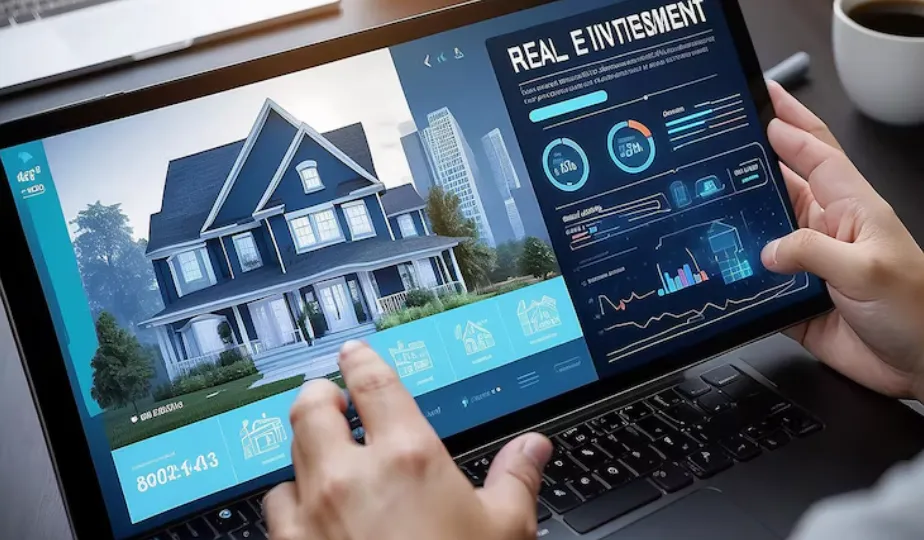
Managing rental properties has traditionally meant juggling spreadsheets, paperwork, and endless manual updates. While spreadsheets once felt like a practical solution, they’re increasingly becoming a source of inefficiency, errors, and missed opportunities.
Today, landlords are shifting toward cloud-based property management systems that simplify operations and offer real-time insights.
This transition isn’t just about convenience; it reflects a broader change in how property management is approached in a digital-first world.
Table Of Contents
- The Limitations Of Spreadsheet-Based Property Management
- What Is Cloud-Based Property Management
- Key Reasons Landlords Are Making The Switch
- How Automation Improves Daily Operations
- Data Security And Accessibility Advantages
- Scalability For Growing Property Portfolios
- Choosing The Right Software Solution
- Wrap-Up
The Limitations Of Spreadsheet-Based Property Management
Spreadsheets have long been a go-to tool for landlords because they are simple and accessible. However, as property portfolios grow, their limitations become more noticeable. Managing rent payments, tenant records, maintenance logs, and lease agreements in separate sheets can quickly become overwhelming.
Errors are another common issue. A small mistake in formulas or data entry can lead to financial discrepancies or missed payments. Additionally, spreadsheets lack real-time updates, which means landlords often work with outdated information.
Collaboration is also difficult. Sharing files back and forth increases the risk of version confusion, making it harder to maintain accuracy and consistency across records.
What Is Cloud-Based Property Management
Cloud-based property management refers to modern software platforms that store, organize, and manage property-related data online instead of relying on a single device or offline files.
Unlike traditional systems such as spreadsheets or desktop-based tools, these platforms operate on cloud technology, meaning all information is securely hosted on remote servers and accessible through the internet.
This allows landlords and property managers to log in from any device, whether it’s a laptop, tablet, or smartphone, and instantly view or update their data without being tied to a specific location.
One of the defining features of cloud-based systems is real-time access. Changes made to tenant records, rent payments, or maintenance updates are reflected immediately, ensuring that landlords always have the most current information at their fingertips. This eliminates the confusion that often comes with outdated files or multiple versions of spreadsheets being shared across different users.
Unlike traditional tools that require juggling multiple documents or systems, cloud platforms bring everything together in a single, unified interface. Tasks such as rent collection, lease management, tenant communication, expense tracking, and maintenance scheduling can all be handled in one place.
Key Reasons Landlords Are Making The Switch
One of the biggest reasons landlords are moving away from spreadsheets is efficiency. Cloud-based platforms reduce the need for repetitive manual work by automating routine tasks. Rent reminders, payment tracking, and reporting can all happen automatically.
Another important factor is accuracy. With built-in systems handling calculations and updates, the risk of human error is significantly reduced. Landlords can rely on consistent, real-time data to make informed decisions.
Flexibility also plays a role. Whether managing a single unit or multiple properties across different locations, cloud tools adapt to varying needs without requiring complex setups.
In the middle of this shift, many landlords are turning to solutions like real estate property management software to streamline their workflows and maintain better control over their operations.
How Automation Improves Daily Operations
Automation is one of the most valuable features of cloud-based property management. It transforms time-consuming tasks into seamless processes.
Rent collection becomes easier with online payment options. Tenants can pay through secure portals, and landlords receive instant updates. This eliminates the need for manual tracking and reduces delays.
Maintenance management also improves. Tenants can submit requests online, which are then tracked and assigned without the need for constant follow-ups. This leads to faster resolution times and better tenant satisfaction.
Financial reporting is another area where automation shines. Instead of manually compiling data, landlords can generate detailed reports with just a few clicks, saving hours of work.
Data Security And Accessibility Advantages
Storing data in spreadsheets often means keeping files on personal devices or local drives, which can be vulnerable to loss or damage. Cloud-based systems offer a more secure alternative.
Most platforms include advanced security features such as encryption, regular backups, and controlled access. This ensures that sensitive information remains protected.
Accessibility is equally important. Landlords no longer need to be tied to a specific location or device. Whether traveling or working remotely, they can access their data instantly and stay updated on property activities.
This level of convenience makes it easier to respond quickly to tenant needs and manage operations more effectively.
Scalability For Growing Property Portfolios
As landlords expand their portfolios, managing everything through spreadsheets becomes increasingly difficult. What works for a few properties may not be sustainable for larger operations.
Cloud-based systems are designed to scale. They can handle growing amounts of data without becoming cluttered or confusing. New properties, tenants, and financial records can be added seamlessly.
This scalability allows landlords to focus on growth without worrying about outgrowing their management tools. It also supports long-term planning by providing clear insights into performance trends.
Choosing The Right Software Solution
Selecting the right platform is an important step in making the transition. Not all software solutions are the same, so it’s essential to consider specific needs.
Ease of use is a key factor. A user-friendly interface ensures that landlords can quickly adapt without extensive training. Features such as automated rent collection, maintenance tracking, and reporting should be easily accessible.
Integration capabilities also matter. The ability to connect with accounting tools or other systems can further streamline operations.
Finally, customer support plays a crucial role. Reliable support ensures that any issues are resolved quickly, allowing landlords to maintain smooth operations.
Wrap-Up
The shift from spreadsheets to cloud-based property management reflects a natural evolution in how landlords manage their properties. While spreadsheets once served their purpose, they can no longer keep up with the demands of modern property management. Cloud solutions offer greater efficiency, accuracy, security, and scalability, making them a practical choice for landlords looking to simplify their workflows and make more informed decisions.