
Why Skilled Trades Are the Future: Communication Skills Every Trade Student Needs
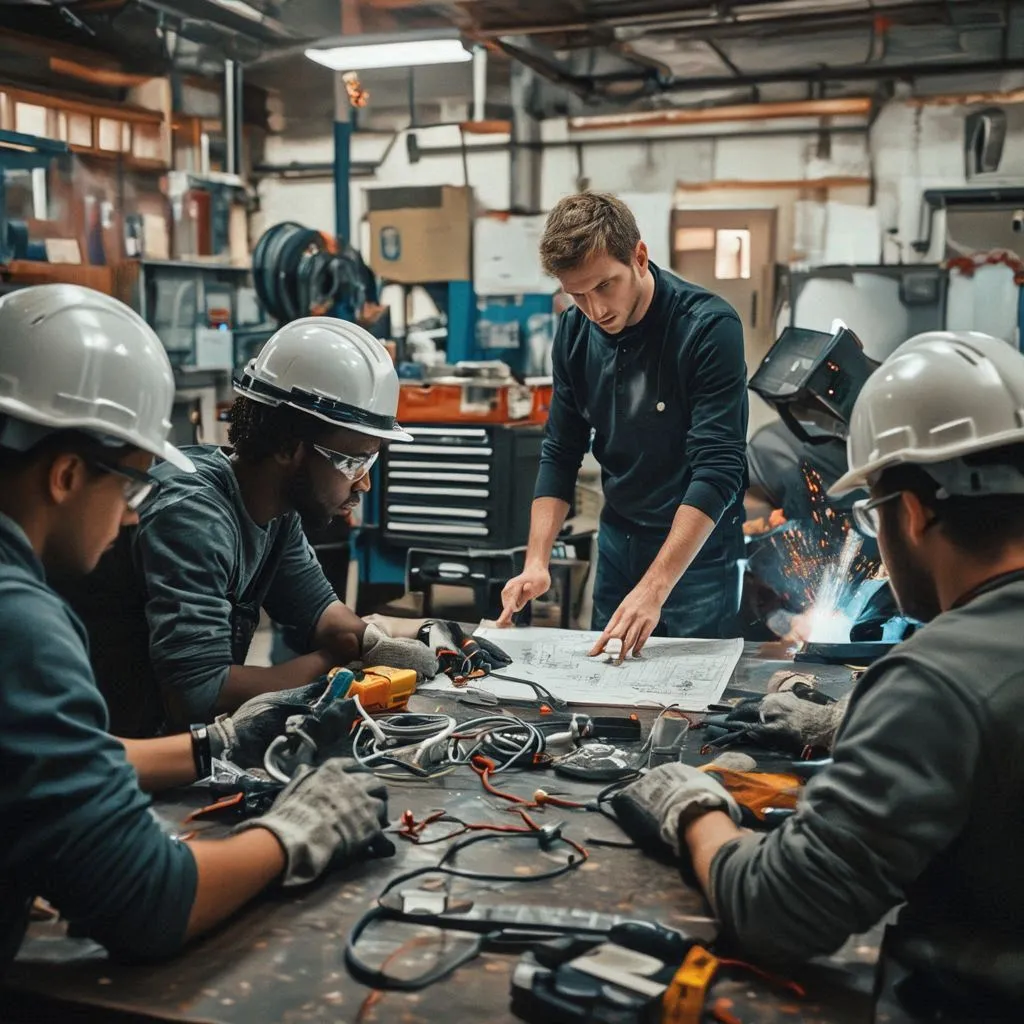
Stop by any construction site early in the morning and you may see the truth of the industry. Beyond the coffee cups, arguments over measurements, and flipping through plans, by the time most offices turn on their lights in the morning, the work at the job site has been cranking away for hours.
And there’s no signs of slowing.
It’s estimated that the United States is going to need about 140,000 more workers in the skilled trades arena by the year 2030, according to research. This number means contractors are facing a shortage of skilled laborors and their job roster is stacking up. If you’re trained and ready, there’s work to be had.
But here’s the important point that some people overlook, knowing how to do the work is just the beginning. If you really want to excel, you’ll want to get certified..
Why Skilled Trades Are The Future And What Employers Really Want
Contractors are looking for steady, consistent, reliable workers. According to a 2024 report from the Home Builders Institute there are significant shortages across multiple trades and skill levels. This has a major impact on crews everywhere. When your staff is sparse then every aspect of the job becomes more tense.
Expect potential employers to gravitate towards someone who can:
- Explain problems clearly without becoming defensive
- Work with others without constant friction
- Speak up early when something appears off
These are the sorts of traits that become apparent when things go sideways at 2:30 on a Friday afternoon. While it’s true that certification can land you the job, it’s the way you stand up under pressure that ensures you keep working.
The Soft Skills Gap On Job Sites
Just like any job, the majority of delays are due to misunderstanding rather than dramatic failures.
In December of 2024, Forbes published an article discussing the widening gap in soft skills, even among technically trained workers. Productivity plummets when communication breaks down, and that’s when concerned customers start to ask pointed questions.
Thing is, it doesn’t have to be major, it could be as simple as a foreman giving rushed instructions, and half the crew misinterprets the information. Or, maybe a technician spots a potential safety issue and says nothing because they assume someone else will mention it. Then there’s the case where a homeowner nods along during an explanation only to walk away utterly confused.
What Communication Looks Like In The Real World
Communication in the world of skilled trades is usually quick, direct, and practical.
For instance, an HVAC tech might compare a failing unit to an old truck that is burning more fuel than it should. An electrician is more likely to sketch out a panel layout on scrap cardboard rather than rattling off code sections. A welder who checks timing with another crew before striking an arc avoids standing around later waiting for space.
That kind of awareness develops with experience and training, it doesn’t happen overnight.
Students who attend a hands-on program, such as a trade school in Atlanta, are learning in a city that rarely rests. Atlanta has cranes in the skyline year-round and commercial building overlaps while infrastructure projects move quickly. Training in that kind of environment means getting acclimated to the real pace, expectations, and conversations before graduation.
Earning a certification there not only proves you passed a course, it also shows you trained in a market that has actual demand.
Teamwork And Leadership Start Earlier Than You Think
No one runs the crew on their first job. Instead, most folks start by watching closely, carrying materials, and giving serious effort to not messing things up.
It’s the ones who are consistently steady and reliable that advance. These are the people who show up on time, ask questions instead of guessing. If they make a mistake, they own it, and fix it. A crew will always remember who makes their day smoother rather than harder.
Leadership in the trades is hardly ever fancy. Instead, it’s more along the lines of someone keeping their voice level when plans change. The people who can explain a delay to a client without throwing the whole crew under the bus, and the people who listen, are the people who often find themselves in leadership positions.
Why Communication Belongs In Every Tool Belt
People are predictable. Homeowners and project managers want clear answers and reliable workers. Ultimately, they want to know what they’re paying for and want to feel confident in the person doing the job.
There’s plenty of opportunities, but the more stable roles go to the people who combine solid skills with calm, clear communication.
This is an invitation to let your work speak on your behalf. Tulsa Welding Schools Atlanta campus helps students build credibility that lasts for years to come.