
8 Ways Restaurants Are Adapting To Changing Technology
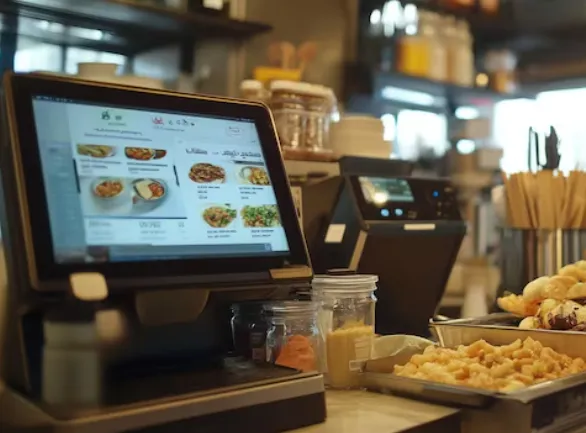
Have you noticed how restaurants today run faster, more organized, and more connected than before?
From taking orders to preparing food and handling payments, many daily tasks are now supported by digital tools. Restaurants today are learning new ways to manage their operations through technology while keeping service friendly and smooth for customers.
Technology in restaurants is not about replacing human service. Instead, it supports staff and helps them work in a more organized way. Many restaurants now use systems like a restaurant pos system to manage orders, payments, and daily activities in one place. These tools help restaurant teams focus more on customers and less on manual work.
Below are eight ways restaurants are adjusting their operations as technology becomes part of everyday restaurant life.
1. Using Digital Ordering Systems
Restaurants today handle orders from many sources such as dine-in guests, takeaway customers, and online platforms. Digital ordering systems help staff manage these orders smoothly.
Clear Order Entry And Tracking
When servers take orders through a digital device, the information is recorded immediately. This keeps the order details clear and organized.
Staff can select menu items directly from the screen. The system records quantities, special instructions, and menu combinations. Because the order information is stored digitally, it can be checked anytime during preparation or service.
This approach helps restaurants keep their workflow organized while maintaining accuracy in every order.
2. Improving Kitchen Communication
The kitchen is the heart of any restaurant. Clear communication between servers and chefs helps the team prepare food quickly and maintain quality.
Digital Kitchen Display Systems
Many restaurants now use screens inside the kitchen to show incoming orders. These screens are part of a kds system hardware setup.
When a server places an order in the POS system, the information appears instantly on the kitchen display. Chefs can see each order clearly with item names and preparation details.
This helps the kitchen team focus on cooking instead of reading handwritten notes. Orders appear in an organized sequence so chefs can prepare dishes in a steady flow.
3. Accepting Multiple Payment Methods
Customers today prefer different payment options. Some pay with cards, some use mobile wallets, and others choose contactless payments.
Flexible Payment Processing
Restaurants adapt to these preferences by using digital payment systems connected to their ordering setup. A POS system allows staff to process many payment types from one terminal.
When the meal is finished, the system calculates the bill automatically. Staff can process the payment in seconds and provide a receipt quickly.
This simple process keeps the checkout experience smooth and comfortable for customers.
4. Managing Menus Digitally
Restaurant menus change often. Seasonal dishes, chef specials, and price adjustments are part of daily restaurant management.
Easy Menu Updates
Digital systems allow restaurant managers to update menu items through the POS software. Instead of printing new menus every time a change happens, updates can be done directly in the system.
If a new dish is added, staff will see it immediately on their ordering screen. If a price changes, the system updates it across all ordering devices.
This makes menu management more organized and keeps information accurate for both staff and customers.
5. Using Data To Understand Customer Preferences
Restaurants today often review their sales information to understand what customers enjoy ordering.
Helpful Restaurant Insights
Digital systems collect useful data every day. Managers can review sales reports that show which menu items are ordered most frequently and which hours are busiest.
This information helps restaurants plan their kitchen preparation and staffing schedule.
6. Supporting Quick Service And Drive-Thru Operations
Many restaurants today offer drive-thru service to provide faster food pickup for customers on the move.
Technology In Drive-Thru Ordering
Digital tools support this service by allowing staff to take orders clearly and communicate with the kitchen team instantly.
Some restaurants use a drive thru headset system that allows staff to speak with customers while entering orders directly into the system.
This keeps the process organized and allows kitchen teams to begin preparing the order immediately.
Customers appreciate quick service while staying comfortable in their vehicles.
7. Improving Staff Coordination
Restaurant teams work together in many roles including servers, kitchen staff, and managers. Technology helps connect these roles in an organized way.
Shared Information Across The Team
Digital systems allow all staff members to view the same order information at the same time. Servers can check the order status, kitchen teams can see preparation details, and managers can review activity across the restaurant.
Because everyone is looking at the same system, communication becomes clear and simple. Staff members spend more time focusing on their tasks while the system keeps information organized.
This supports a smooth working environment for the entire restaurant team.
8. Creating Organized Restaurant Management
Running a restaurant involves many tasks such as monitoring orders, reviewing sales, managing menus, and tracking payments.
Centralized Operations
Technology allows restaurant managers to handle these tasks through one system. A POS platform brings together order management, sales reports, menu updates, and payment processing.
Managers can review daily performance, track customer activity, and check order history whenever needed.
This centralized approach keeps restaurant operations structured and easy to manage. Staff members can focus on providing friendly service while the system keeps information organized in the background.
Final Thoughts
Restaurants today are learning new ways to integrate technology into their daily operations. Digital ordering systems, kitchen display screens, flexible payment methods, and organized management tools help restaurant teams maintain smooth service throughout the day. By using structured digital systems, restaurants can keep their workflow organized while focusing on customer satisfaction and team coordination. Technology continues to support restaurants in maintaining efficient operations and delivering a comfortable dining experience for every guest.