
Slovenia Just Made Remote Work Visas Way Easier: What Digital Professionals Need to Know
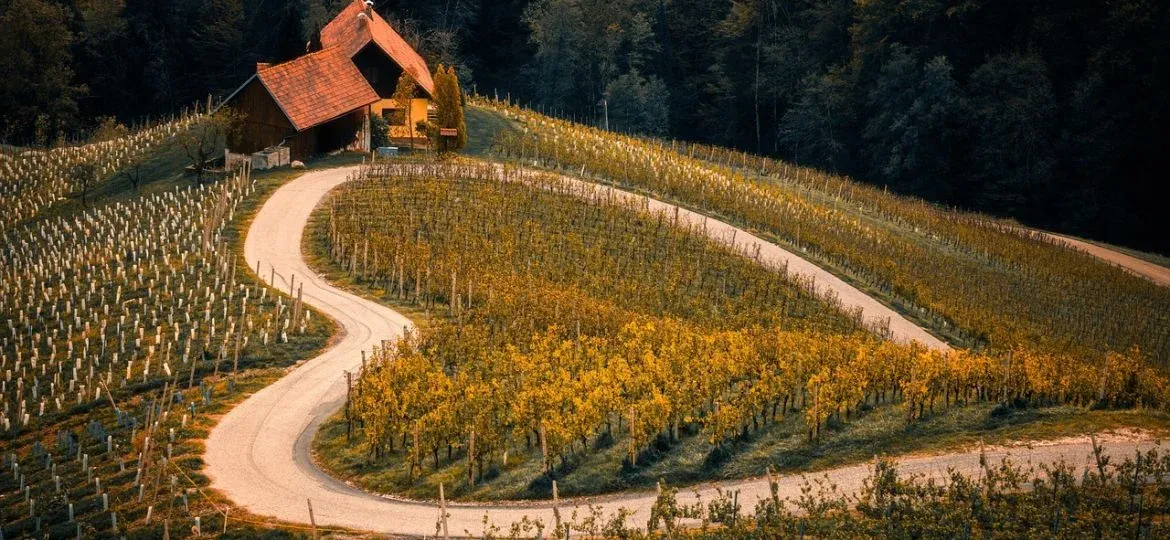
If you've been researching European countries with remote work visas, Slovenia just became significantly more attractive. Recent changes to the country's immigration framework have eliminated some of the most frustrating bureaucratic hurdles that previously made relocating there complicated and expensive.
For digital nomads, remote workers, and internationally distributed teams, these updates mean Slovenia now offers one of the most streamlined paths to legal EU residence—without the usual embassy runs, visa application marathons, or administrative nightmares.
Here's what changed and why it matters for anyone working remotely in 2026.
The Embassy Problem That Just Got Solved
Previously, if you wanted to establish legal residence in Slovenia, you faced a logistical puzzle: you had to visit a Slovenian embassy or consulate in your home country (or worse, in a third country if your home country didn't have one) just to start the application process.
This meant:
Extra International Travel: Flying to another country solely to submit paperwork and fingerprints
Expensive Delays: Accommodation, flights, and time off work while waiting for embassy appointments
Coordination Headaches: Scheduling appointments months in advance, often requiring multiple trips
Lost Productivity: Days or weeks away from work during a critical transition period
For remote workers juggling client projects and team meetings across time zones, this wasn't just inconvenient—it was a deal-breaker.
The New System: Apply While You're Already There
Under the updated Aliens Act, foreign nationals who legally enter Slovenia with a valid Schengen visa can now complete the entire residence permit process in-country. This includes:
- Submitting your initial application
- Providing biometric data (fingerprints)
- Receiving your residence permit card
No embassy visits. No international courier services for your passport. No scheduling nightmares with consular offices operating on limited hours.
You arrive in Slovenia on a standard tourist or business visa, decide you want to stay, and handle everything locally. For remote workers testing whether a location works before committing, this flexibility is transformative.
Two-Year Work Permits: Stability for Remote Professionals
The second major change addresses a problem that affected both employers and self-employed professionals: permit duration.
Previously, initial work-related residence permits were valid for just one year. This meant:
- Annual renewal cycles with administrative overhead
- Uncertainty for long-term planning
- Additional costs and paperwork every 12 months
- Potential gaps in legal status if renewals were delayed
The new framework: First-time applicants for employment or work-based residence permits now receive two-year permits immediately.
Why This Matters for Remote Teams
If you're managing an international team or running a distributed company, two-year permits create meaningful stability:
For Employees: Team members can commit to living and working in Slovenia without the anxiety of annual renewals disrupting their lives and work arrangements.
For Companies: Reduced administrative burden on HR teams managing visa renewals for international staff.
For Freelancers: Self-employed professionals can build client relationships and business infrastructure without worrying about permit gaps interrupting operations.
For Digital Nomads: Those transitioning from nomadic work to semi-permanent bases get breathing room to establish themselves without constant legal overhead.
Slovenia's Remote Work Advantage
These immigration reforms didn't happen in a vacuum. Slovenia has been positioning itself as an attractive destination for knowledge workers, and the policy changes reflect an understanding of how modern work actually functions.
The Practical Benefits for Digital Workers
Central European Location: Ljubljana is roughly equidistant from Vienna, Venice, Munich, and Zagreb. You're within a 2-3 hour flight of virtually any major European city—ideal for occasional client meetings or team offsites.
Excellent Digital Infrastructure: Fiber internet is standard, coworking spaces are growing in major cities, and the tech community is active and welcoming to internationals.
Affordable Cost of Living: Monthly expenses in Ljubljana run €1,200-1,800 for a comfortable lifestyle—significantly less than comparable quality of life in Western European capitals.
EU Schengen Benefits: Living in Slovenia means you can travel freely across 27 EU countries for work, meetings, or leisure without border controls.
English-Friendly Environment: While Slovenian is the official language, English proficiency is high in business contexts, especially in tech and professional services.
Quality of Life: Consistently ranked among the top countries for safety, environmental quality, and work-life balance—factors that directly impact remote worker productivity and well-being.
Who Benefits Most from the New Rules
Remote Employees Working for EU Companies
If you're employed by a European company but want to work from Slovenia rather than their office location, obtaining a work and residence permit in Slovenia is now significantly more straightforward.
The ability to apply in-country means you can:
- Start working remotely from Slovenia on a Schengen visa
- Test whether the location suits your work style and lifestyle needs
- Initiate the residence permit process if you decide to stay
- Continue working without interruption during the application period
Freelancers and Independent Contractors
Self-employed professionals selling services to international clients now have a clearer pathway to legal residence. The two-year permit duration provides stability for building a client base and managing long-term contracts.
This is particularly relevant for:
- Software developers and designers working with remote clients
- Consultants serving EU-based companies
- Content creators and digital marketers
- Online educators and course creators
Distributed Companies Hiring Internationally
For startups and scale-ups building remote-first teams, Slovenia's streamlined process makes it easier to hire talent from outside the EU without the complexity of traditional corporate visa sponsorship in larger countries.
Smaller companies without dedicated immigration lawyers can now more realistically support international hires choosing to base themselves in Slovenia.
Digital Nomads Seeking Stability
Many digital nomads eventually transition from constant travel to semi-permanent bases. Slovenia's combination of affordability, location, lifestyle, and now easier immigration makes it a natural stopping point for those ready to settle while maintaining remote work flexibility.
The Practical Application Process
While specific requirements depend on your situation (employment, self-employment, business ownership), the general pathway has become significantly more accessible:
Step 1: Legal Entry
Arrive in Slovenia with a valid Schengen visa (tourist, business, or specific purpose visa).
Step 2: In-Country Application
Submit your residence permit application at the Administrative Unit (Upravna Enota) in the region where you're staying.
Step 3: Documentation
Provide required documents (proof of income, accommodation, health insurance, clean criminal record) during your appointment.
Step 4: Biometrics
Complete fingerprinting and photo capture in Slovenia—no need for embassy visits.
Step 5: Permit Issuance
Receive your residence permit card locally once approved.
The entire process can typically be completed within Slovenia over a period of weeks to months, depending on your specific permit category and documentation completeness.
Strategic Considerations for Remote Workers
Tax Residency and Digital Nomad Status
Living in Slovenia for extended periods has tax implications. Generally, spending more than 183 days in Slovenia during a calendar year establishes tax residency.
For remote workers, this means:
- Income earned while a Slovenian tax resident is subject to Slovenian income tax
- However, Slovenia's tax treaties with many countries prevent double taxation
- Self-employed individuals should understand Slovenia's tax structure for freelancers
Professional tax advice is essential before establishing residence, especially if you're employed by a company in another country or serving clients globally.
Health Insurance Requirements
Slovenia has a public healthcare system, but residence permit applicants typically need to show proof of comprehensive health insurance coverage.
Options include:
- Private international health insurance (common for initial permits)
- EU health insurance cards (for EU citizens)
- Slovenian health insurance (once employed or registered as self-employed)
Remote workers should factor these costs into their budget planning.
Banking and Financial Services
Opening a Slovenian bank account is generally straightforward once you have a residence permit, though some banks require proof of address and local ties.
For remote workers paid by international companies or clients:
- Wise, Revolut, and similar services work well for currency conversion
- Slovenian banks offer standard business accounts for self-employed individuals
- EU banking regulations make transfers within Europe simple and low-cost
Comparing Slovenia to Other Remote Work Destinations
How does Slovenia stack up against other popular remote work locations?
vs. Portugal: Portugal has a more established digital nomad visa and larger international community, but higher costs in Lisbon and Porto. Slovenia offers better EU connectivity and lower living expenses.
vs. Estonia: Estonia pioneered the e-Residency program and has strong digital infrastructure, but climate and location differ significantly. Slovenia offers more temperate weather and central European access.
vs. Spain: Spain has larger cities and more diverse regions, but higher bureaucracy and cost in major centers. Slovenia's smaller size means simpler administration and easier integration.
vs. Croatia: Both countries offer Adriatic access and similar climate, but Slovenia's EU membership since 2004 (vs. Croatia's 2013) means more established systems and stronger economic integration.
For remote workers prioritizing simplicity, affordability, and EU benefits, Slovenia's recent reforms make it increasingly competitive.
Support Services and Community
Slovenia's expat and remote worker community, while smaller than Portugal or Spain, is growing and well-connected:
Coworking Spaces: Ljubljana and Maribor have multiple coworking options with international communities
Networking Events: Regular tech meetups, startup gatherings, and expat social events
Online Communities: Active Facebook groups and Slack channels for internationals in Slovenia
Professional Services: Growing ecosystem of immigration consultants, accountants, and legal advisors familiar with remote worker needs
For those navigating the practical details of obtaining a work and residence permit in Slovenia, professional support can significantly streamline the process—especially for managing documentation requirements and ensuring compliance with evolving regulations.
Common Questions from Remote Workers
"Can I start working immediately while my permit is being processed?"
If you entered legally on a Schengen visa and are working remotely for a non-Slovenian employer, you can generally continue during the application period. However, specific situations vary, and professional advice is recommended.
"Does my permit let me work for any company or client?"
Work permits are typically tied to specific employment or self-employment arrangements. Changing employers or client arrangements may require permit modifications.
"Can I bring my family?"
Yes, Slovenia offers family reunification provisions. Spouses and dependent children can typically obtain residence permits based on the primary applicant's status.
"What happens after two years?"
Permits can be renewed. After five years of legal residence, you may be eligible for permanent residence or long-term EU resident status.
"Do I need to speak Slovenian?"
Not for initial residence permits, though basic language skills help with daily life. English is widely spoken in professional and expat contexts.
Looking Forward: Slovenia's Remote Work Strategy
The immigration reforms signal Slovenia's broader strategy to attract knowledge workers and position itself as a hub for remote professionals.
Future developments to watch:
- Potential dedicated digital nomad visa categories
- Further streamlining of online application processes
- Integration with EU-wide digital worker initiatives
- Tax incentives for specific industries or skill sets
For remote workers planning their next 2-5 years, Slovenia represents an increasingly attractive option that balances lifestyle, cost, and legal simplicity.
Taking the Next Step
If Slovenia's combination of location, affordability, and streamlined immigration appeals to you, here's how to explore further:
Research Phase:
- Visit Slovenia on a short trip to assess whether it fits your lifestyle and work needs
- Connect with remote workers already based there via online communities
- Review cost-of-living calculators and accommodation options
Planning Phase:
- Gather documentation (employment contracts, proof of income, health insurance)
- Consult with immigration professionals about your specific situation
- Understand tax implications for your citizenship and income sources
Execution Phase:
- Secure appropriate Schengen visa for entry
- Arrive in Slovenia and establish temporary accommodation
- Initiate residence permit application with professional support if needed
Professional guidance on navigating the work and residence permit in Slovenia process can prevent costly mistakes and ensure efficient approval timelines.
Conclusion: A Real Alternative for Remote Professionals
Slovenia's immigration reforms represent more than administrative tweaks—they signal a genuine understanding of how modern work functions and what remote professionals need from a home base.
The elimination of mandatory embassy visits removes financial and logistical barriers. Two-year permits provide meaningful stability. The ability to apply in-country allows for real-world testing before committing.
For remote workers, freelancers, and distributed teams looking for an EU base that doesn't require sacrificing quality of life or breaking the bank, Slovenia's updated framework is worth serious consideration.
The country won't suit everyone—it's small, less internationally connected than major capitals, and winter can be cold. But for those prioritizing work-life balance, affordability, central European location, and straightforward legal status, Slovenia now offers one of the most accessible pathways in the EU.
As remote work continues to reshape where and how professionals live, Slovenia's proactive policy adjustments position it well to attract exactly the type of talent that drives modern knowledge economies—creative, mobile, and globally connected workers who can choose to be anywhere but are increasingly choosing to be somewhere that actually makes their lives easier.
Planning a move to Europe for remote work? Slovenia's recent immigration reforms make it one of the most accessible EU destinations for digital professionals seeking legal residence without bureaucratic nightmares.