Cyber Crisis Readiness: Key Steps for Risk Preparedness
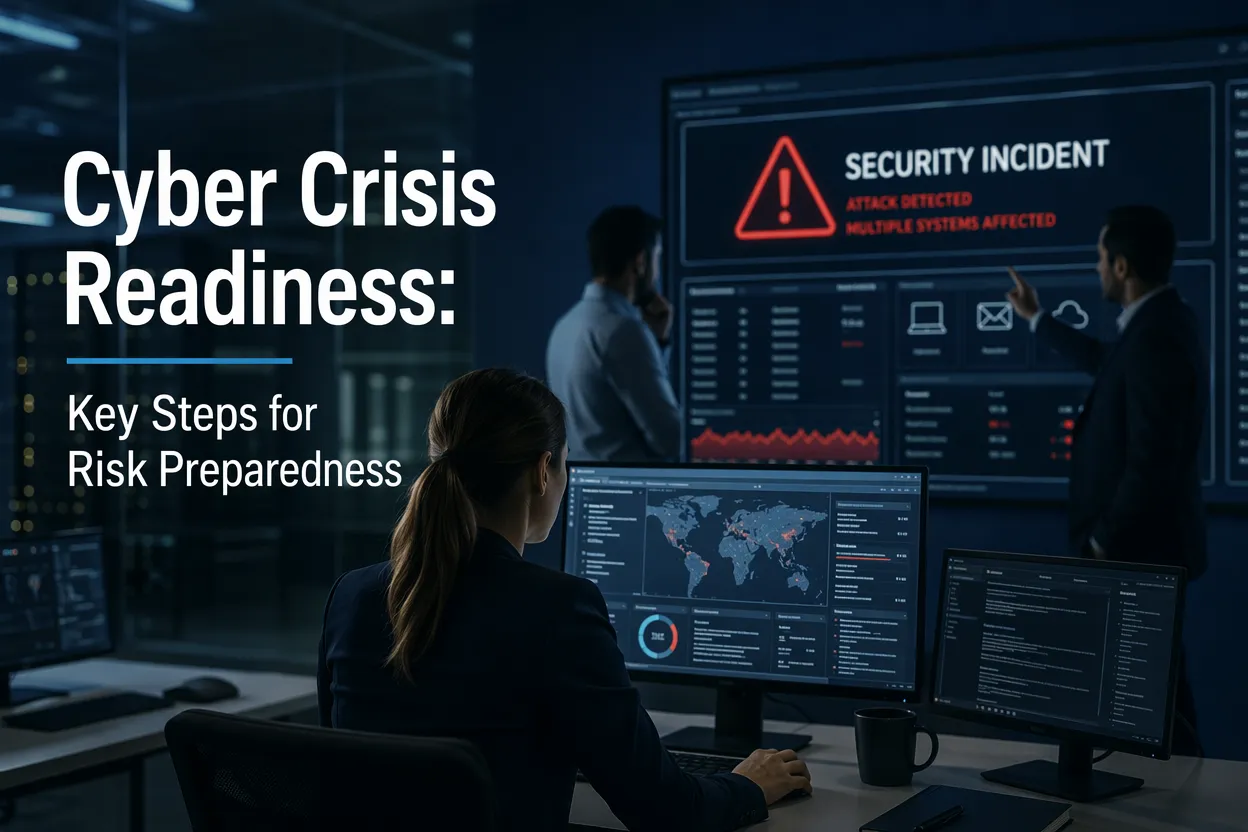
Cyber-attacks are not a once-in-a-while occurrence anymore. No organization, irrespective of its size, is free from the risk of being hit by a crisis caused by a digital attack. It is important to prepare for these events. The impact of a cyber incident can be catastrophic without a strong plan. Cyber crisis readiness includes several pragmatic steps that help improve risk resilience and recovery speed.
Recognizing Potential Digital Hazards
The first thing every organization needs to do is identify the risks that could disrupt operations as part of cyber crisis readiness. Phishing, ransomware, or confidentiality breaches are some types of threats. To identify these threats, continuous reviews of all systems and processes are crucial. Knowing the vulnerabilities gives a clear overview and hence makes protecting easier. Teams must undertake regular assessments and hold threat cognizance.
Building a Crisis Response Plan
Having a crisis response plan is vital. This is a template for your protection in case of emergencies. These should elaborate on a step-by-step response to dealing with digital incidents. It should contain who is responsible for doing what. You can ensure peace of mind and confidence by understanding and providing clarity on responsibility and direction, and ensuring that no one is left in the dark with distinct roles assigned.
Training Staff for Quick Action
During times of digital crisis, it is often human failings that prove to be the weakest link. Employees should be able to identify and report suspicious activity when they see it. Regular training sessions ensure that everyone remains vigilant. Such practice drills can familiarize employees with the process and reduce panic during the time of the event. Confident staff leads to more instinctive and measured responses.
Testing Preparedness Regularly
Having a plan is absolutely useless without regular testing. If attacks are simulated, the gaps in the current strategies can be identified. These drills show how a team reacts under duress. And finally, Testing also identifies areas that need to be addressed as a matter of priority. Regular drills keep everyone ready for the surprises. After every test, alterations should be made according to the plan to ensure its success.
Strengthening Technological Defenses
Technical fundamentals are key to readiness for risk. Software updates should be installed as soon as they are available. Attackers can easily succeed against outdated systems. Having a firewall and antivirus tools provides another layer of protection. Add multi-factor authentication to make it less likely that an unauthorized user can gain access. Backups are your insurance against data perils, and they make recovering from disasters a breeze.
Maintaining Open Channels of Communication
Effective communication during a cyber crisis helps minimize confusion and reduce recovery time. Internal audiences need to understand what work is in progress. External partners and customers also require timely information. Transparent communication is trustworthy and leaves no room for false narratives. Emergency notification message templates can be invaluable time savers. Communication plans should be reviewed and updated regularly as part of preparedness.
Learning from Previous Incidents
Each incident, big and small, can give us an opportunity for improvement. Looking back at how things have played out is a good way for organizations to find out what went well and where they went wrong. The better the evaluation, the better the strategy you have for next year. To build better processes, we must get feedback from people who were part of those processes themselves.
Partnering With Security Professionals
An expert advisor can support organizations' preparation activities. Cybersecurity experts, on the other hand, guide on the risks involved and suggest the latest protectors. Partnering with these specialists assists businesses in adapting to new disruptions in advance. Frequent consultations make sure that response plans represent current best practices.
Promoting a Safety-First Culture
Risk readiness is more than tech or paperwork. A culture of safety helps everyone take part in the protection. If anyone needs to lead by example, it should be the leadership when it comes to digital security. While it raises awareness and keeps people engaged, open discussions about risk are also a great way to avoid missing them, because people can talk! Reporting security issues is rewarded to keep the staff alert and awake.
Final Thoughts
The preparation for a cyber crisis is not something that comes passively; rather, the timeline for readiness is a continuous aspect, starting with some level of planning. We need to map what the risks are, train the staff, and test the plans. Solid technological defenses and clear communication channels significantly bolster preparedness.