How White Label Google Ads Management Helps Small Agencies and Businesses Scale PPC Without the Over

Running a paid search campaign well takes more than a Google Ads login and a credit card. It takes someone who lives on the platform daily, tracks algorithm changes, and knows why a campaign that worked in January is bleeding budget by March. Most small agencies and growing businesses don’t have that person on staff, and hiring one is expensive.
That gap is why a growing number of agencies and business owners have quietly started outsourcing PPC execution to a partner who works behind the scenes, under their own brand. Clients never see the switch. They just see better results and a bill that doesn’t include a full-time salary.
This guide walks through what white-label Google Ads management actually is, why so many agencies and businesses are adopting it, what separates a good partner from a risky one, and what it costs in 2026.
What Is White Label Google Ads Management?
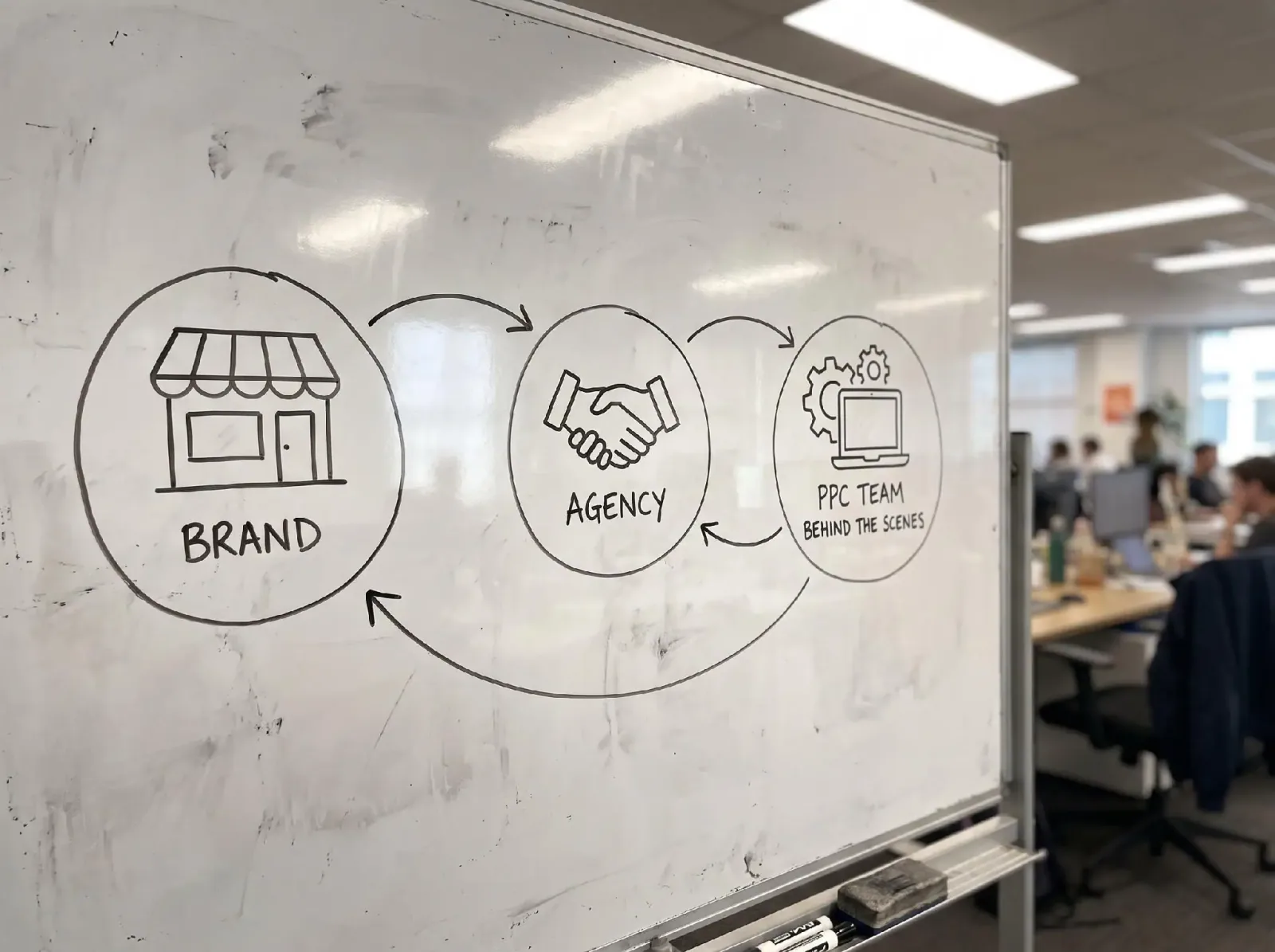
White-label Google Ads management is a simple arrangement once you strip away the jargon. A specialized outside team builds, runs, and optimizes Google Ads campaigns, and the agency or business that hired them puts their own name on the work. The client sees reports, calls, and results branded as coming from their agency. They never interact with the team actually managing the bids.
The mechanics look like standard PPC work: keyword research, ad copy testing, bid strategy, negative keyword lists, conversion tracking, and monthly reporting. The difference is who’s doing it and how it’s packaged. Businesses that want senior-level PPC execution without hiring in-house often turn to an expert white label Google Ads agency to run campaigns under their own brand, filling a skills gap without adding headcount or training time.
For a small agency, this means being able to say yes to a PPC client without scrambling to find a specialist. For a business running its own marketing, it means having access to someone who does this full-time rather than a generalist juggling five other responsibilities. If you’re weighing your options, our piece on the tips for choosing the right PPC partner covers questions worth asking before you sign anything.
Why Small Businesses and Agencies Are Turning to White Label PPC
The shift toward outsourced PPC isn’t a fringe trend anymore. According to a 2026 report from Carbon Repro, 73% of digital marketing agencies worldwide have adopted white-label services in some form, and 60% specifically outsource PPC management instead of building an in-house team. That’s a majority of the industry deciding the math works better with a partner than with a payroll line.
The math itself is straightforward. A dedicated in-house PPC specialist with real Google Ads experience commands a salary that can easily exceed $80,000 per year before benefits, tools, and training. A white-label partner charges a fraction of that, scales up or down with client volume, and doesn’t need onboarding every time an agency wins a new account. Agencies that outsource 40 to 60% of their service delivery grow at 2.3 times the rate of fully in-house competitors and report roughly 20% higher profit margins, according to a 2025 benchmark study cited by Propellant Media.
There’s also a technical knowledge argument. Full-service PPC partners rarely stop at bid management. Many bring broader digital marketing fluency to the table, including SEO fundamentals that shape how a campaign’s landing pages perform organically once the paid traffic dries up. Understanding something as basic as the difference between dofollow and nofollow links matters here because a partner who only knows how to buy clicks and doesn’t understand how those clicks affect a site’s broader SEO health is offering half a service. Agencies evaluating a white label partner should ask what they know outside the ad platform itself, not just inside it.
None of this means DIY management is a bad choice for everyone. A business with genuine PPC expertise on staff and enough volume to keep that person busy full-time doesn’t need outside help. But for most small agencies and growing businesses, hiring one specialist to serve a handful of clients rarely pencils out.
What to Look for in a White Label Google Ads Partner

Not every white label provider operates the same way, and the difference between a good one and a bad one shows up fast in campaign performance. A few things worth checking before signing a contract:
Transparent reporting matters most. You should get access to raw campaign data, not just a polished summary written by the partner. If a provider is cagey about showing you the actual Google Ads account, treat that as a warning sign.
Proven account structure and certified specialists come next. Ask how campaigns are organized, how negative keywords are managed, and whether the people working on the account hold current Google Ads certifications. A partner who can’t answer specifically probably isn’t running a tight operation.
Clear contract terms protect both sides. Scope of work, pricing, and termination clauses should be spelled out in plain language, not buried in a boilerplate agreement that neither party reads closely.
Communication cadence and industry experience round things out. A partner should commit to a regular check-in schedule and be able to point to work in your client’s industry or a closely related one.
One thing agencies sometimes forget: outsourcing execution doesn’t outsource legal responsibility. The Federal Trade Commission’s advertising guidance for small businesses makes clear that the business behind an ad remains accountable for its truthfulness and disclosures, even when a third party wrote and placed it. That responsibility doesn’t transfer just because the work happens off-brand.
PPC also shouldn’t operate in isolation. It works best paired with a broader digital marketing strategy that includes content, email, and organic search, so paid traffic isn’t propping up a site that has nothing else going for it.
Cost and ROI Benchmarks to Expect in 2026
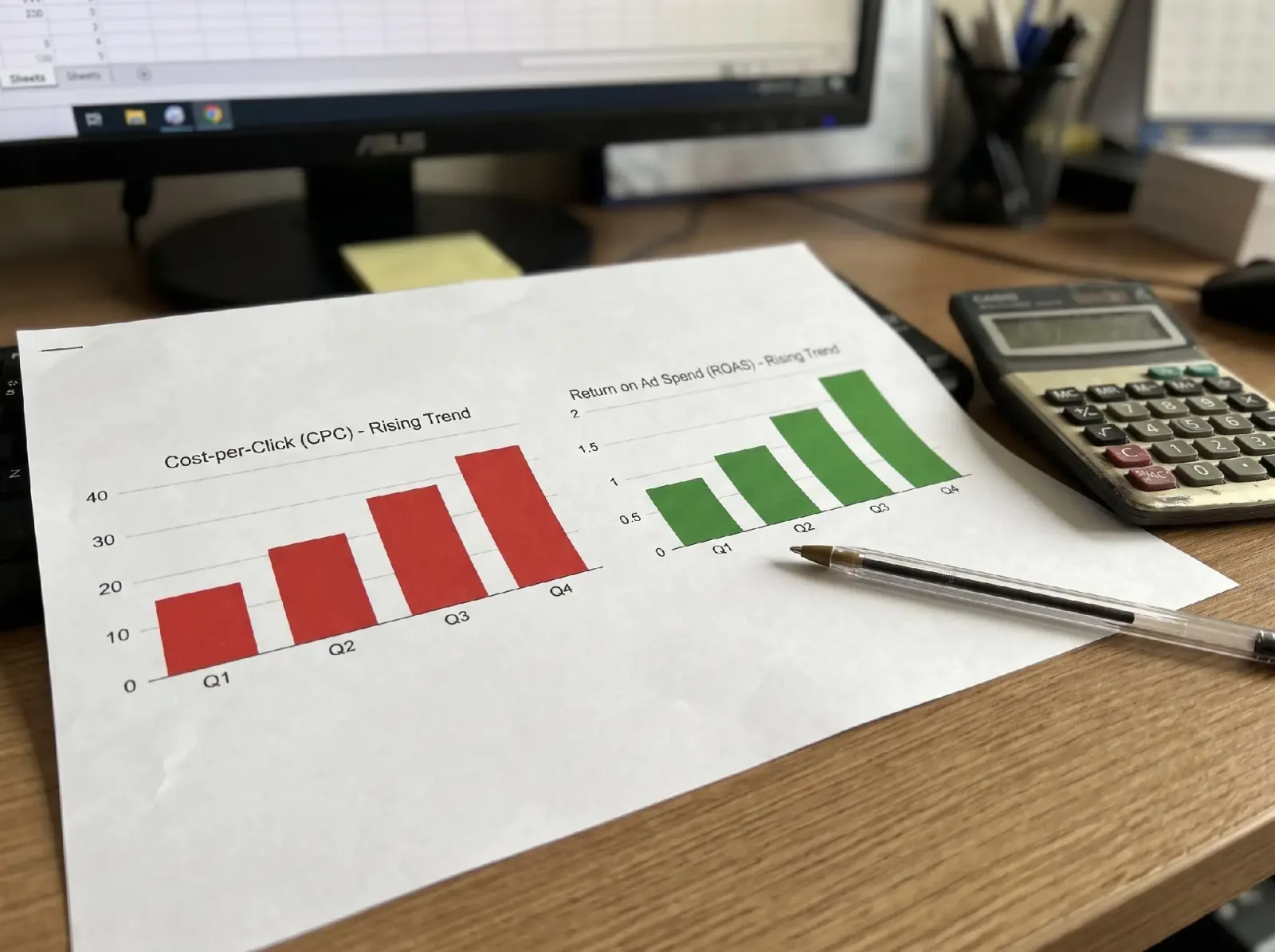
Numbers help ground the decision. The average cost per click for Google Search Ads in 2026 ranges from $2.10 to $2.69, up roughly 18% from 2024, according to Demandsage’s Google Ads statistics report. Average click-through rate hovers near 6.64%, with conversion rates averaging around 4.4% across industries. Rising competition and AI-driven bidding are both pushing costs up, which makes efficient management worth more than it was two years ago, not less.
Professional Google Ads management typically costs 12% to 30% of monthly ad spend, according to Tenet’s 2026 marketing cost data, which works out to roughly $350 to $5,000 per month for most small-business budgets, depending on how much they’re spending on ads themselves. That’s the fee for the expertise, separate from what actually goes to Google.
Return on ad spend indicates whether that fee is worth paying. Demandsage’s data puts the average business return at roughly $2 for every $1 spent, a 2:1 ratio, with e-commerce businesses averaging closer to 4:1 and B2B service companies landing near 3:1. The Small Business Administration’s guidance on getting the most from your marketing budget recommends treating this kind of spend as a tracked investment rather than a recurring expense, which is exactly the mindset a good white label partner should bring to reporting.
Rising CPCs mean a poorly managed campaign eats budget faster than it did even a year ago. A skilled partner who catches wasted spend early can offset a meaningful chunk of that increase just through better keyword discipline and bid management.
Choosing the Right Fit
White label Google Ads management isn’t a shortcut. It’s a way for agencies and businesses to deliver expert-level PPC results without carrying the cost and risk of a full-time hire. As search ad prices keep climbing in 2026, the difference between a mediocre partner and a genuinely skilled one shows up directly in the numbers a client sees each month.
Anyone evaluating this route should take the vetting process seriously: check reporting transparency, verify certifications, read the contract terms twice, and ask pointed questions about how the partner handles marketing activities that fall outside the ad platform itself. Get that right, and the arrangement pays for itself many times over.