How Drone Light Shows Are Reshaping Large-Scale Event Entertainment
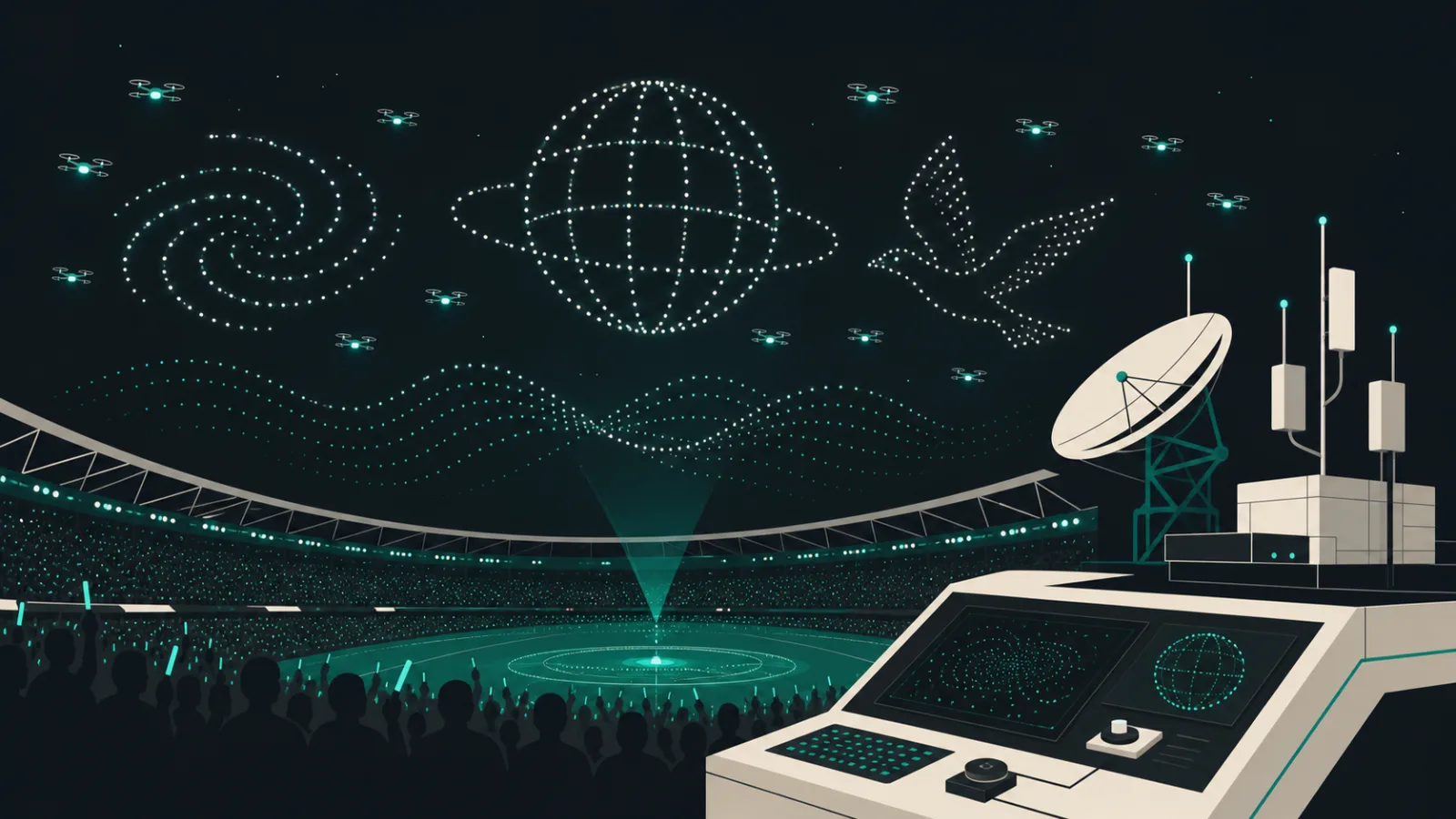
Large events need memorable moments that hold attention across wide spaces. Aerial displays combine scale, motion, color, and story in one shared experience. The format can suit festivals, sports events, brand launches, and public celebrations. Let’s discuss how this approach is reshaping large-scale event entertainment.
Sky Stories Unite Large Crowds
Crowds spread across a large venue can still watch the same sequence above them. Drone light shows turn coordinated aircraft into symbols, scenes, words, and vivid shapes. This helps with clear visual storytelling without dependence on a fixed stage. Guests across several viewing zones can follow the main event together.
A planned sequence may introduce a theme, mark a milestone, or close the program. Images can change within seconds, which keeps the presentation active. Music cues may add emotion and give each scene a clear purpose. The sky becomes part of the event program instead of a simple backdrop.
Custom Visuals Give Each Event an Identity
Large productions often need visuals that match a specific message or theme. Drones can form logos, icons, text, characters, and abstract art. This aids in connecting the display with the event’s central idea. It also gives creative teams control over pace, color, and sequence.
A digital storyboard maps each visual step before the aircraft takes flight. Drone size, audience distance, and image detail shape the final result. Simple forms may suit civic events, while complex scenes may require more. That structure helps planners balance creative goals with practical limits.
Music and Motion Add Emotional Impact
Aerial forms gain more impact when each move follows the score. Color shifts, pauses, and shape changes can match key beats. This may help improve audience focus during a reveal or final scene. The result feels closer to a live performance than a static visual display.
Key Choices That Shape the Display
● Fleet size affects image scale and visual detail.
● Height influences sightlines across the site.
● Music pace controls the speed of each transition.
● Color contrast keeps shapes clear against the night sky.
Safety Rules Guide the Creative Plan
Large aerial displays require a licensed operator, permits, and weather checks to support safe operation. Venue layout also affects launch areas and audience distance. These factors need early review before the final sequence takes shape.
Wind, local airspace, nearby structures, and emergency access can alter the plan. Real-time checks help crews respond to site conditions. A clear process reduces last-minute confusion across event teams. Safety remains part of the creative plan from its earliest stage.
FAQs
1. How is the number of drones chosen for a show?
The fleet size depends on the creative concept, image detail, audience viewing distance, and venue size. Smaller productions may use around 100 drones, while large-scale events can feature more than 1,000 to create detailed aerial scenes.
2. What factors help keep a drone light show safe?
Safety relies on licensed pilots, approved flight zones, geofencing, weather monitoring, and permit requirements. Event crews also evaluate site conditions and airspace before the performance to support safe and reliable operation.
3. How are drone light show formations created?
Each show begins with specialized flight planning software that maps every drone's position, flight path, altitude, color, and timing. Designers create a digital storyboard, and the entire sequence is tested before the live event.
Large-scale entertainment now reaches above the stage and across the night sky. Coordinated aircraft offer a vivid mix of story, music, motion, and scale. Strong results still depend on thoughtful design, site preparation, and a clear event purpose. As the format gains wider use, aerial displays may become a familiar feature at major public events.