Matching Podcast Formats to the Listening Habits of Your Audience
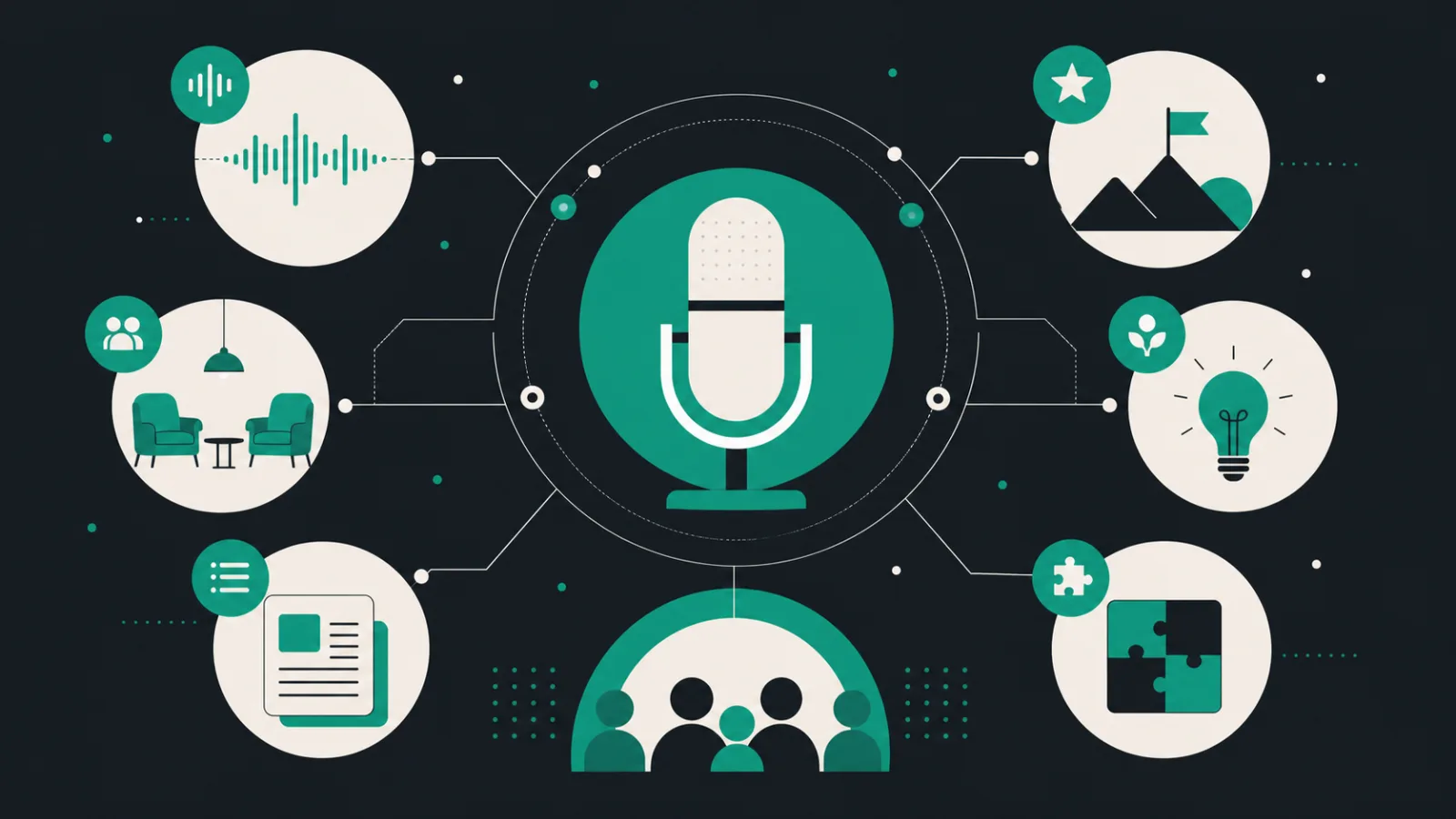
Podcast planning should begin with how people actually listen. A strong host, clear subject, and clean recording still may fail when episode shape conflicts with daily routines. Commuting, exercise, household tasks, and focused work all place different demands on attention. That makes format one of the most practical decisions a team can make.
The format should reduce cognitive load, protect listener patience, and make the message easier to retain. Understanding the different types of podcast formats helps teams match structure to real listening conditions. That practical match often carries more weight than novelty, production spend, or guest recognition. The sections below cover how to align each format with actual audience behavior.
Start With Habits
Before selecting segments or guests, teams should study attention span, device behavior, replay patterns, and drop-off points. A careful review of available formats helps compare interviews, solo briefings, panels, lessons, and narrative structures against real listening conditions. The decision then rests on audience behavior, message purpose, and the mental effort each format asks from listeners.
Measure Attention Windows
Listening rarely happens in perfect conditions. Short pauses may suit a five-minute briefing. A train ride can hold a focused fifteen-minute lesson. Longer weekend sessions may support layered storytelling. Survey data, completion rates, and skip patterns can show where attention begins to thin. Episode length should follow that evidence before scripts, guests, or recording dates are set.
Match Purpose First
Every show needs a primary function. News calls for speed and order. Education needs sequence, repetition, and recall. A brand story depends on pacing, evidence, and emotional movement. Teams should define the job before choosing voices or segments. That discipline prevents crowded episodes and gives listeners a clear reason to stay.
Solo Updates
Solo episodes work best for concise, direct communication. They suit leadership notes, weekly briefings, product changes, and expert guidance. This structure keeps production lean because scheduling is simple. As episodes grow, creators may also want to review sound recording registration with the U.S. Copyright Office to protect original content. Still, one voice can become tiring without shape. A tight outline, concrete examples, vocal warmth, and brief runtime help maintain attention.
Interview Shows
Interviews fit audiences that value expertise, perspective, and natural exchange. They add contrast without forcing one host to explain every idea alone. Guest selection should favor relevance over status. A useful interview needs a narrow topic, prepared prompts, and careful editing. Friendly conversation is pleasant, but listeners remember clear answers.
Co-Hosted Episodes
Co-hosted formats help serious material feel more approachable. Two voices can create rhythm, warmth, and healthy tension. Success depends on defined roles. One host may explain context, while another asks practical questions. Without that structure, conversation can wander and dilute the point. Editing should preserve energy while removing repetition.
Panel Discussions
Panels work when a subject contains several credible viewpoints. They suit debate, policy, cross-functional planning, and industry analysis. Moderation is critical. Each participant needs a purpose, a time limit, and a clear lane. Crowded audio quickly raises mental effort for listeners. A firm agenda keeps the exchange useful.
Educational Series
Educational audio should feel like a well-built lesson. Each episode needs one outcome, a logical sequence, and examples tied to practice. This format serves onboarding, training, customer education, and skill refreshers. Repetition can support memory, but filler weakens recall. Summaries, steps, and applied examples help listeners act after listening.
Narrative Formats
Narrative formats suit audiences willing to follow a story across time. They work for case studies, founder histories, investigations, and mission-led campaigns. This structure requires scripting, research, pacing, and careful editing. It takes more labor than a casual conversation. In return, story can improve memory and emotional connection.
Internal Communication
Internal audiences often listen between meetings, during travel, or while catching up after absence. Short briefings, educational segments, and leadership interviews usually fit those conditions. Privacy, access, and plain language matter. Employees should receive relevant audio in a channel already used for work, with minimal friction and clear labeling.
Public Audience Fit
Public listeners compare each episode with many other options. That raises expectations for focus, sound quality, and immediate value. A public show should state its purpose early, keep a dependable rhythm, and respect time. Interviews may support discovery. Narrative seasons may build loyalty. Short expert clips often fit busy professional schedules.
Production Capacity
A format only works if the team can sustain it. Solo updates may need one script, one microphone, and a quiet room. Interviews add preparation, booking, and editing time. Narrative work requires research, scripting, sound design, and revision. Capacity should guide ambition. Consistent, careful publishing builds more trust than rare oversized episodes.
Test and Adjust
Format choice should remain open after launch. Teams can compare starts, completions, skips, shares, and replies across several episodes. Listener comments often reveal where focus drops. Small tests are enough. Openings can be shortened. Long topics can become two parts. Broad panels can shift into focused interviews with cleaner takeaways.
Conclusion
Audience habits should guide every podcast format decision. People listen while managing real tasks, limited attention, and competing demands. A structure that respects those conditions will usually outperform one chosen for convenience or trend value. Teams should connect purpose, length, voice, and production capacity before recording. That discipline creates clearer episodes, steadier publishing, and deeper listener trust. The right structure helps audio become part of a routine, rather than another ignored message.