How Remote E-Commerce Teams Can Coordinate a Successful Store Launch
Running a strong e-commerce store launch with a remote team is very doable. It can even work better than an in-office launch if you plan well, communicate clearly, and use the right tools.
Online shopping is crowded, so a clear launch plan helps your product or service stand out. For remote teams, that means agreeing on goals, keeping work organized, and using technology to connect people across locations.
With clear roles, steady teamwork, and decisions based on data, a remote team can run a launch that brings in new customers and turns first-time buyers into repeat customers. This includes improving every part of the launch, from the site experience to shipping and back-office work, plus a strong focus on online shop SEO so people can find your store right away.
Building a High-Performing Remote E-Commerce Team
A strong remote e-commerce team is the base for a successful store launch. You need a clear structure, the right hires, and a shared way of working. Remote work requires extra clarity, more independence, and people who communicate early instead of waiting for problems to grow. As DHL’s advice on building an e-commerce team highlights, the results of your e-commerce business largely depend on the people behind it.
The aim is to build a well-coordinated team, even if everyone works from different places. You want people who care about the work, keep learning, and stay engaged. This means more than filling seats. It means bringing together specialists who work well on their own but still support the same goal. Many businesses do best with a lean setup where each role clearly adds value and supports growth, without extra layers slowing things down.
Defining Key Roles and Responsibilities
A key first step is to define roles and responsibilities clearly. You need to know who to hire, why you need them, and how each person fits into the team. For a startup that wants to scale, DHL stresses choosing people with skills that support growth. For example, if search rankings matter, an e-commerce SEO specialist is a key hire. A web engineer can help build a strong, easy-to-use site, or you can rely on existing e-commerce platforms instead.
It also helps if team members understand more than just their own area. Useful skills can include basic website and data knowledge, understanding e-commerce models and KPI tracking, and experience with operations like orders, returns, and payments. Digital marketing skills are also helpful. Few people will have every skill, so it helps to define what is “must-have” versus “nice-to-have.” If budget is tight, freelancers and contractors can give you specialist support without full-time costs, and remote work can help spread the workload.
Finding and Onboarding Remote Talent
Hiring for remote roles takes a different approach. A strong resume matters, but how someone works day-to-day matters even more. Interviews should explore work habits, communication style, and values. A person with strong skills who does not work well with others can lower team energy in a remote setup. Many businesses use social platforms like Facebook, Instagram, or Twitter to share job posts, reach more people, and attract good candidates. These posts can also mention business growth, which can make the role more appealing.
For small and mid-sized e-commerce companies, networking and referrals still work well. After hiring, onboarding matters a lot. It is more than forms and accounts. New team members need to learn the team’s tools, communication rules, and the store launch goals. Sharing clear goals often helps everyone understand what they are building and why, even if the team is already running.
Establishing Team Norms and Communication Protocols
Remote teams need clear communication habits to stay connected. Since there are fewer casual chats, you have to set rules on purpose. One helpful approach, used by JotForm, is "core hours" where everyone is online at the same time. This makes it easier to handle urgent issues and work live, while still letting people work flexibly outside those hours.
This balance matters because many remote workers struggle to stop working at the end of the day, so boundaries help protect focus and well-being.
You should also set clear channels for different needs, such as chat for quick questions, video calls for deeper discussions, and a project tool for task updates. Writing down decisions and processes matters more in remote work so everyone can find the same information at any time. Teams that operate across borders feel this most acutely — NON.agency, for instance, coordinates campaigns for clients in the UK, Germany, France, and the US from offices in Poland and London, which only works when market knowledge lives in shared documentation rather than in someone's inbox. Employers can also help staff set up a dedicated home workspace, even if it is just one desk, to separate work and personal life and support better focus.
Leveraging Remote Collaboration Tools for Store Launch Success
Remote work in e-commerce depends heavily on good digital tools. Tools do not solve problems by themselves, but used well, they help a distributed group work like one team. Good remote project handling can be the difference between a smooth launch and a messy one, especially during high-pressure moments like going live.
The right tools can lower workload by automating tasks, helping the business grow smoothly, keeping people aligned, and reducing avoidable costs. You may use chat and video tools to replace in-person talks, and project systems to track work in real time. Strong security and access control tools also matter because remote teams handle business and customer data from many locations.
Choosing Communication Platforms for Real-Time Collaboration
In a remote team, communication tools move from “nice to have” to required. For live calls, Zoom is widely used for video meetings, audio calls, and webinars. It is known for being easy to use, stable for many teams, and able to connect with other services.
For fast messaging and team channels, Slack is a common option and supports many integrations that help teams like sales and support. Discord, which started in gaming, now works well as a virtual office with voice channels for quick questions and video calls. For teams using larger work systems, Google Meet (G Suite) and Microsoft Teams (Office 365) connect well with calendars and shared docs, so teams can work live and also leave updates for later.
Deploying Project Management and Task Tracking Solutions
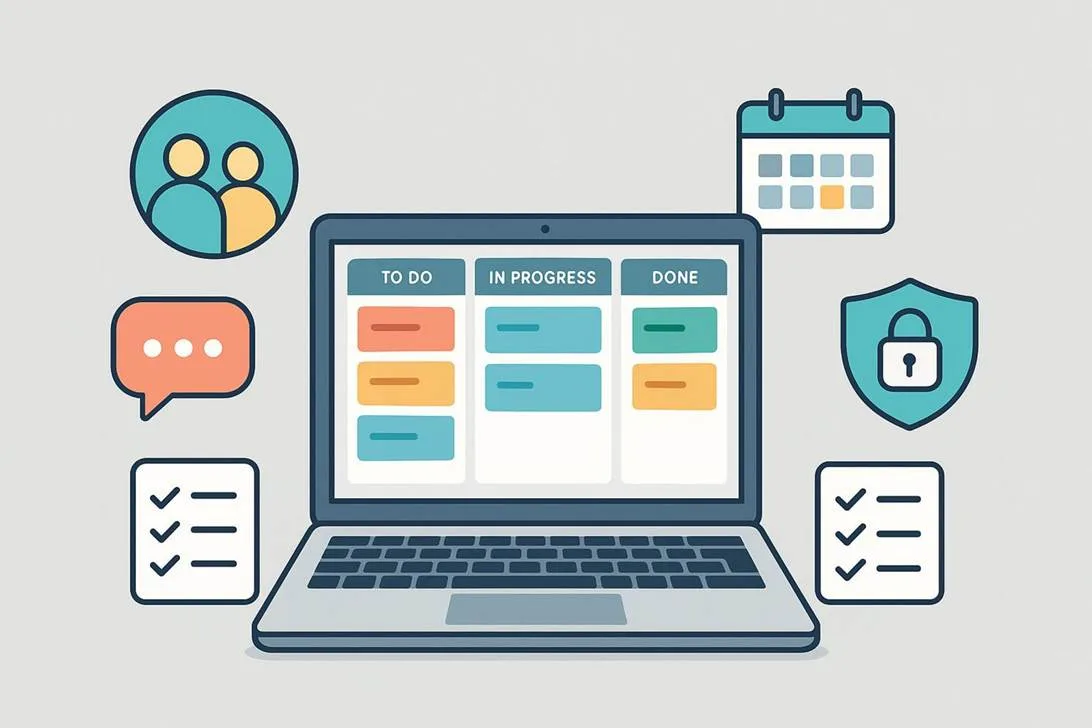
Project management is the core of a smooth e-commerce launch, and remote teams depend on online tools to keep work organized. Tools like Paymo help teams assign tasks, set due dates, and track progress so everyone sees what is happening. Many teams use Kanban boards. Tools like Trello let you create task cards, add details and files, and move cards through stages. This makes it easy to follow work at a glance.
monday.com supports building workflows to track hours, manage tasks, and coordinate projects across a team. DragApp, a shared inbox inside Gmail, also offers a Kanban view where you can turn emails into tasks, add due dates, and assign work. These systems help manage the many parts of a launch, from early prep to post-launch review, as Carl Torrence also highlights.
Securing Data and Managing Access Remotely
Security matters a lot for e-commerce because stores handle sensitive customer data every day. Remote work adds extra risk because people access systems from different networks and devices. Strong security steps and tight access control are key. SSL certificates are a basic requirement because they encrypt data between the browser and the server, making it harder to steal details like card numbers. SSL also builds trust with customers and can help search visibility because search engines prefer secure sites.
PCI compliance is also required for safe card payments, and it comes with rules for how card data is handled. Regular security audits help find weak points early and confirm you meet current standards. Remote teams also need safe access steps like multi-factor authentication and staff training on data safety habits. Clear, open data handling practices-explaining what data you collect, how you use it, and how you protect it-also help build trust and support legal needs like GDPR.
Driving Launch Visibility With Remote Marketing Collaboration
A strong store launch depends on marketing that builds interest and drives purchases. For remote teams, this means running campaigns across channels and time zones, with consistent messaging. Different specialists-social media, SEO, paid ads-may be spread out, but they still need to act like one team.
This stage is about building excitement and preparing customers to buy, as Carts.guru describes. It includes writing clear messages, picking the best channels, and producing high-quality content that matches what the audience cares about. Tools and communication rules matter a lot here so every marketing touchpoint supports the same launch story.

Coordinating Digital Marketing and Social Promotions Remotely
Remote digital marketing needs a clear plan so messaging stays consistent across channels. Marketers should build a message that fits the audience and the product. Storytelling can help because many customers want a connection with the brand. Sharing how a product was made, why it exists, and what it improves can make the message stronger. The team should also choose channels based on what has worked with similar audience segments before.
A multi-channel launch plan can use automation to send alerts through email, SMS, and funnels. Social media (especially Facebook) is useful for brand awareness and targeted ads. Remote teams can use Facebook targeting to reach specific groups and drive traffic with visuals and product stories. Tools like Buffer help remote teams schedule posts for exact times, so content goes out consistently even if team members work in different time zones.
Launching Email Campaigns and Influencer Outreach
Email marketing is a strong way to reach existing customers and drive launch sales. Building a list is the first step, often using sign-up discounts. Emails should have clear subject lines, useful content, and strong CTAs. Automated post-purchase emails also support customer care by thanking buyers, sharing delivery updates, and recovering abandoned carts to increase sales.
Influencer outreach can also build attention and social proof. Working with influencers who match your audience can spread the launch message quickly. Social media is also a good place for giveaways and contests that encourage shares and pre-orders. When email and influencers work together, remote marketing teams can build strong early momentum for the store.
Aligning PR, SEO, and Paid Ad Strategies Across Time Zones
To get the best launch impact, PR, SEO, and paid ads need to line up, which is harder when teams work in different time zones. SEO helps bring in visitors and keep them, and keyword research is the base.
That base looks different once a launch crosses borders. As Rafał Moszkowcow Chomsky from NON.agency puts it: "International SEO starts with market understanding, not keyword lists. In Sweden you might need reindeer bags to sell at all." For distributed teams, that means the local context has to be settled before the keyword work begins, not after.
Keywords should appear in product titles, descriptions, and meta tags. Long-tail keywords can capture specific searches. On-page SEO also includes alt tags for images and image compression for faster load times. SEO tools can help remote teams check pages before launch.
Off-page SEO includes backlinks and social presence. PPC ads can quickly boost visibility by paying for placement in search results. Paid ads should also build brand awareness, not just push sales. To keep everything aligned across time zones, teams need shared calendars, frequent updates, and consistent branding (logos, style, messaging) across PR, SEO, PPC, and affiliate promotions.
Key Takeaways for Coordinating a Remote E-Commerce Store Launch
Coordinating a remote e-commerce store launch can be challenging, but it can also produce great results if you stick to a few basics. One major takeaway is the value of strong planning. A clear e-commerce plan acts like a roadmap: it sets goals, shows the steps to reach them, and supports a smooth shopping experience. It is more than putting a site online; it is about standing out in a busy online retail space.
Another key point is knowing your audience well. You can learn this through interviews, reviews, and clear buyer personas. That knowledge shapes marketing and helps messages connect with the right people. It also affects product decisions, customer support, and long-term engagement. Finally, the digital market keeps changing, so teams must keep learning and adjusting. Reviewing performance often, adopting useful tools (like natural language processing for better customer communication), and watching trends all help. It comes down to building a strong base that supports growth, improves conversion rates, and builds long-term brand loyalty through steady improvement over time.